Restaurants that build a genuine restaurant lead generation system treat every enquiry, a DM, a phone call, a website form, as a lead worth tracking, not a one-off interaction handled and forgotten. DigiGrowvity has helped restaurants across India build exactly this kind of systematic follow-up process, and five consistent tactics explain why some restaurants convert enquiries into bookings far more reliably than others.
This article breaks down exactly how a restaurant lead generation system works in practice, using specific, repeatable tactics rather than vague general advice about "following up more."
How a Restaurant Lead Generation System Comes Together, at a Glance
| Tactic | What It Looks Like in Practice |
|---|---|
| Centralized enquiry capture | Every channel's enquiries logged in one place |
| Fast first response | Every enquiry answered within a defined time window |
| Structured follow-up sequence | A consistent process for enquiries that do not convert immediately |
| Simple CRM or tracking sheet | A record of every lead's status and history |
| Regular funnel review | Conversion rates reviewed by channel monthly |
Tactic 1: Centralizing Enquiry Capture Across Every Channel
A restaurant lead generation system starts with centralization. Enquiries arriving through Instagram DMs, WhatsApp, phone calls, and a website form all need logging in one place, rather than scattered across separate apps nobody reviews together. A restaurant that loses track of enquiries in fragmented channels misses bookings that a centralized system would have captured instead.
Reviewing this centralization periodically, checking whether every channel actually feeds into the same tracking process, prevents leads from quietly slipping through gaps between channels.
Tactic 2: Responding to Every Enquiry Quickly
A restaurant lead generation system depends heavily on response speed. A patron asking about availability or a reservation typically checks with more than one restaurant simultaneously. Whichever restaurant responds fastest, with genuinely helpful information, usually wins the booking.
This responsiveness matters most during peak enquiry hours. Our WhatsApp marketing guide for restaurants covers how quick replies specifically support this fast-response discipline.
Tactic 3: Building a Structured Follow-Up Sequence
A restaurant lead generation system captures considerably more bookings when enquiries that do not convert immediately receive a structured follow-up. A gentle check-in a day or two later works far better than abandoning the lead after the first unanswered message. Many patrons genuinely intend to book but simply get distracted before completing the process.
This follow-up sequence should feel helpful rather than pushy, offering useful information rather than repeated, generic reminders that feel like pressure.
Tactic 4: Maintaining a Simple CRM or Tracking Sheet
A restaurant lead generation system works efficiently when every lead's status and history live in a simple, shared record, even a well-organized spreadsheet. This beats existing only in someone's memory or a scattered chat history. Such a record lets any staff member pick up a follow-up without losing context.
Restaurants that skip this tracking step often lose leads simply because the person who first spoke with a patron is unavailable when that patron follows up.
Tactic 5: Reviewing Conversion Rates by Channel Monthly
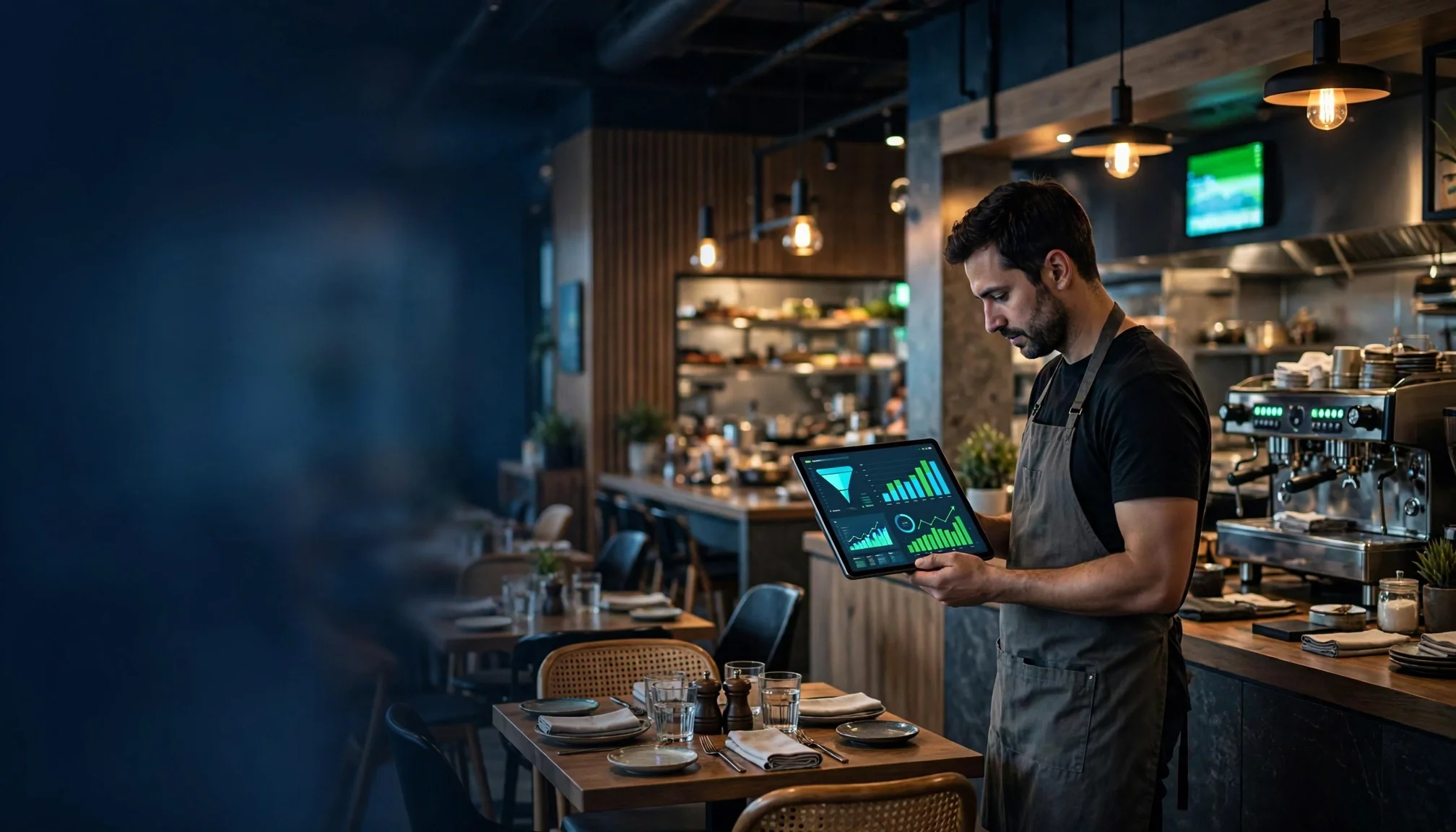
A restaurant lead generation system improves considerably when a restaurant reviews which channels produce the most bookings relative to enquiry volume each month. This review reveals where response speed or follow-up quality genuinely needs attention, rather than guessing based on impression alone.
This monthly discipline turns lead generation from a reactive activity into a genuine, continuously improving process.
Why These Five Tactics Work Together
A restaurant lead generation system rarely succeeds when just one of these five tactics runs in isolation. Centralized capture means little without fast responses converting that captured interest. Structured follow-up means little without a tracking record showing exactly which leads still need attention. Monthly review works best when the underlying tracking data is complete and accurate.
Restaurants that build all five together consistently see considerably stronger, more reliable enquiry-to-booking conversion than those addressing only one or two tactics in isolation.
What Fast-Growing Restaurants Do Differently
Restaurants seeing genuinely consistent booking growth review their enquiry funnel monthly, checking response times and conversion rates by channel. Our article on what fast-growing restaurants do differently covers this same review habit in more depth.
A restaurant lead generation system prevents exactly this quiet loss. Restaurants that handle enquiries informally, without any tracking, typically lose leads without ever realizing how much booking volume slips away as a result.
A Realistic 90-Day Timeline
Weeks one through three typically involve auditing every channel that generates enquiries and setting up a centralized tracking sheet or simple CRM. Weeks four through eight focus on establishing response-time standards and a structured follow-up sequence for every staff member handling enquiries.
Weeks nine through twelve introduce a structured review of conversion rates by channel, informing where to invest further. This sequencing produces steadier, more durable improvement than attempting every tactic simultaneously in the first week.
Common Mistakes That Slow Down Results
Many restaurants let enquiries sit unanswered for hours during busy service periods, when patrons are actively comparing several options. A restaurant lead generation system works far less reliably once response times slip this way.
Another common mistake is abandoning a lead entirely after one unanswered message rather than following up. This abandonment quietly costs bookings that a simple, well-timed follow-up would easily capture instead.
Some restaurants also track leads only in memory, with no shared record, meaning enquiries get lost whenever the original staff member is unavailable to follow up.
How to Measure What Is Actually Working
A restaurant lead generation system improves most efficiently when restaurants track enquiry volume, response time, and conversion rate by channel monthly. These numbers together reveal exactly where the system needs attention.
Comparing conversion rates across channels also helps a restaurant understand which channels deserve more marketing investment based on how efficiently they actually convert. A restaurant lead generation system becomes more valuable each quarter as this comparison data accumulates and patterns become clearer.
A Short Example From Practice
One restaurant DigiGrowvity worked with handled enquiries entirely through memory and scattered WhatsApp chats. It lost track of several leads whenever staff changed shifts. After centralizing enquiry tracking, setting a response-time standard, and building a simple follow-up sequence, booking conversion grew considerably within a single quarter.
This improvement came from process discipline, not any change to the restaurant's actual appeal, a clear signal that a restaurant lead generation system works best when it removes the gaps a purely informal approach leaves open.
Preparing Staff Before Enquiry Volume Increases
A restaurant lead generation system succeeds quickly enough that an unprepared team can become the actual bottleneck once enquiry volume increases. A clear process for logging, responding to, and following up on every enquiry should exist before actively pursuing more marketing-driven enquiries.
Restaurants that skip this preparation often see marketing success undermined by slow, inconsistent follow-up during the exact weeks when enquiry volume finally starts increasing.
Choosing the Right Follow-Up Timing
Not every follow-up timing suits every restaurant equally well. A restaurant lead generation system works most efficiently when follow-ups happen soon enough to stay relevant, typically within a day or two, rather than so late that the patron has already booked elsewhere.
A follow-up timed well feels like genuine helpfulness. A follow-up sent too late feels like an afterthought that rarely recovers the lost interest.
Documenting What Works for Future Reference
Recording which channels, response times, and follow-up approaches produced the strongest conversion results builds a valuable internal reference for a restaurant's lead generation process. This documentation matters considerably as staff change roles over successive years.
A simple shared document, updated after each quarter, becomes increasingly useful as a restaurant continues refining its approach across different seasons and staffing changes.
Setting Milestones Within Each Quarter
Rather than measuring progress only at quarter's end, restaurants should set interim milestones: completing the tracking setup by week two, establishing response-time standards by week six, and reviewing conversion rates by week ten.
These interim checkpoints make it considerably easier to notice a stalled effort early, rather than discovering the problem only once an entire quarter has already passed without meaningful improvement.
Building an Internal Playbook
A restaurant lead generation system performs more consistently once someone owns the process directly. A simple internal playbook, listing who monitors each channel, who follows up, and who reviews conversion rates, keeps standards steady even as staff change over time.
This playbook should note which specific response times and follow-up approaches have worked best for this particular restaurant. The ideal approach genuinely varies depending on cuisine and patron expectations.
Common Questions From Restaurant Owners
Owners often ask whether a simple spreadsheet is enough, or whether a dedicated CRM tool is necessary. The honest answer is that a well-organized spreadsheet works perfectly well for a single location, provided it gets updated consistently. A dedicated tool becomes more useful once a restaurant group manages several branches simultaneously.
A restaurant lead generation system succeeds through consistency far more than through the specific tool chosen to track leads.
Coordinating Lead Generation With Reservation Systems
A restaurant lead generation system works most smoothly when enquiry tracking connects directly to the actual reservation or ordering system. Keeping it as a separate, disconnected record causes confusion. A lead marked as converted should update automatically or immediately in both places, avoiding confusion about which bookings are actually confirmed.
Some restaurants dedicate a specific staff member to reconcile enquiry tracking against actual bookings weekly. This catches any leads that fell through the gap between systems.
Handling Seasonal Enquiry Volume Changes
Many restaurants see enquiry volume shift seasonally. Busier periods bring considerably more enquiries than quieter months. A restaurant lead generation system works more consistently when staffing for enquiry response scales with these seasonal patterns rather than staying fixed year-round.
A mismatch between enquiry volume and available staff capacity during busy periods causes response times to slip exactly when patrons have the most competing options to choose from instead.
Scaling This Approach as a Restaurant Grows
What works for a single location needs adjustment as a restaurant expands to several branches. A shared tracking template and follow-up playbook still apply broadly. Additional oversight, someone dedicated to monitoring conversion rates across every branch, often becomes necessary once a restaurant crosses a certain size.
Planning for this scaling early makes the eventual transition smoother. Waiting until inconsistency becomes visible across several branches causes far more disruption. This growth continues over successive years and quarters as the restaurant business expands into new neighbourhoods and cities.
A restaurant group that documents its approach early saves considerable confusion later. This matters most before reaching a dozen branches. New managers need to understand exactly how the lead generation system works across every location consistently, without relying on informal, scattered knowledge passed down inconsistently between team members over time.
A Final Word Before You Begin
A restaurant lead generation system pays off reliably once the underlying discipline, centralized capture, fast responses, structured follow-up, simple tracking, and monthly review, becomes routine rather than occasional. The five tactics in this article, applied steadily over several months, build a genuinely durable system for converting enquiries into bookings.
How This Fits Into Broader Digital Marketing
A restaurant lead generation system connects naturally to a wider digital marketing effort, since every channel covered in our food delivery marketing guide, delivery platforms, social media, WhatsApp, and Google, ultimately feeds enquiries into this same system.
Digital marketing efforts genuinely reinforce each other this way, rather than functioning as isolated, disconnected tactics across different channels.
Measuring Return on Investment
A restaurant lead generation system costs relatively little in direct spend, mostly staff time and a simple tracking tool, and this makes the return genuinely clear once conversion rates are tracked properly. Restaurants should compare this modest investment against actual booking growth over several months.
This ROI compounds over time, since a well-run system keeps converting a larger share of enquiries long after the initial process investment was made.
Working With an Agency Versus Managing It In-House
Some restaurants manage lead generation internally using existing staff. This can work for a single location with modest enquiry volume. Larger restaurant groups typically benefit more from a dedicated agency partnership managing consistent tracking and follow-up across every branch.
An agency familiar with restaurant-specific lead generation can manage tracking, response standards, and conversion analysis more efficiently. Stretched internal staff juggling other responsibilities rarely match that consistency.
Getting Started This Month
Set up a centralized tracking sheet this week. Establish a response-time standard for every channel. Build a simple follow-up sequence before launching any new marketing that generates more enquiries.
Review conversion rates honestly after the first month. A restaurant lead generation system works most reliably when restaurants stay consistent rather than expecting overnight results.
Frequently Asked Questions
How quickly does a restaurant lead generation system show results? Response-time improvements can show results within a few weeks. Follow-up sequence and tracking improvements typically take one to two months to meaningfully shift overall conversion rates.
Does every restaurant really need a formal lead tracking process? Yes, even a simple spreadsheet meaningfully improves conversion for any restaurant handling enquiries across more than one channel, since informal tracking almost always loses some leads to gaps between channels.
What is the single biggest mistake restaurants make with lead generation? Abandoning a lead after one unanswered message instead of following up. This single oversight quietly costs bookings that a simple, well-timed follow-up would easily capture instead.
How does digigrowvity help restaurants build an effective lead generation system? DigiGrowvity centralizes enquiry tracking, establishes response-time standards, and builds the follow-up sequences and monthly review process tailored to each restaurant's specific channels and patron base.
Key Takeaways
- Centralized enquiry capture prevents leads from getting lost between separate channels
- Fast first responses win bookings from patrons comparing multiple restaurants at once
- Structured follow-up recovers many leads that would otherwise be abandoned too early
- A simple tracking record lets any staff member pick up a follow-up without losing context
- Monthly conversion review reveals exactly where the system needs attention
Summary
A restaurant lead generation system works most effectively when the five tactics covered here, centralized capture, fast responses, structured follow-up, simple tracking, and monthly review, work together as one deliberate system.
Conclusion
A restaurant lead generation system rewards active, ongoing process discipline far more than handling enquiries informally and hoping nothing slips through. Restaurants that invest in all five tactics together tend to see steadier, more predictable booking growth than those treating enquiries as one-off interactions.
Our team at DigiGrowvity has built exactly this kind of active lead generation system for restaurants across India. Contact us to discuss how these five tactics could apply to your specific restaurant, or read our WhatsApp marketing guide for restaurants for a related look at fast, direct enquiry response.
References
- World Health Organization
- Wikipedia: Lead Generation
- Google Business Profile Help
- Food Safety and Standards Authority of India guidance on food business advertising