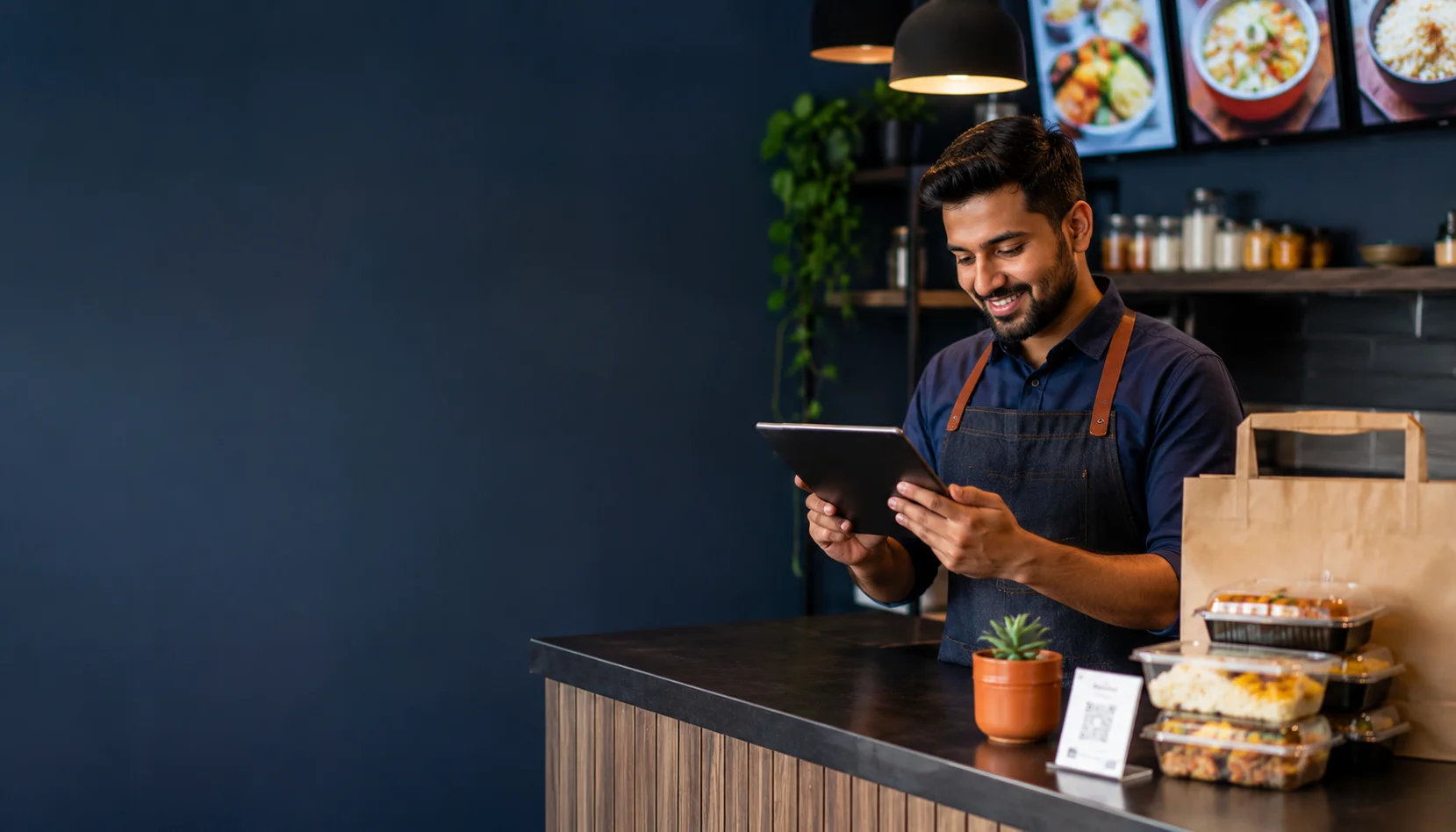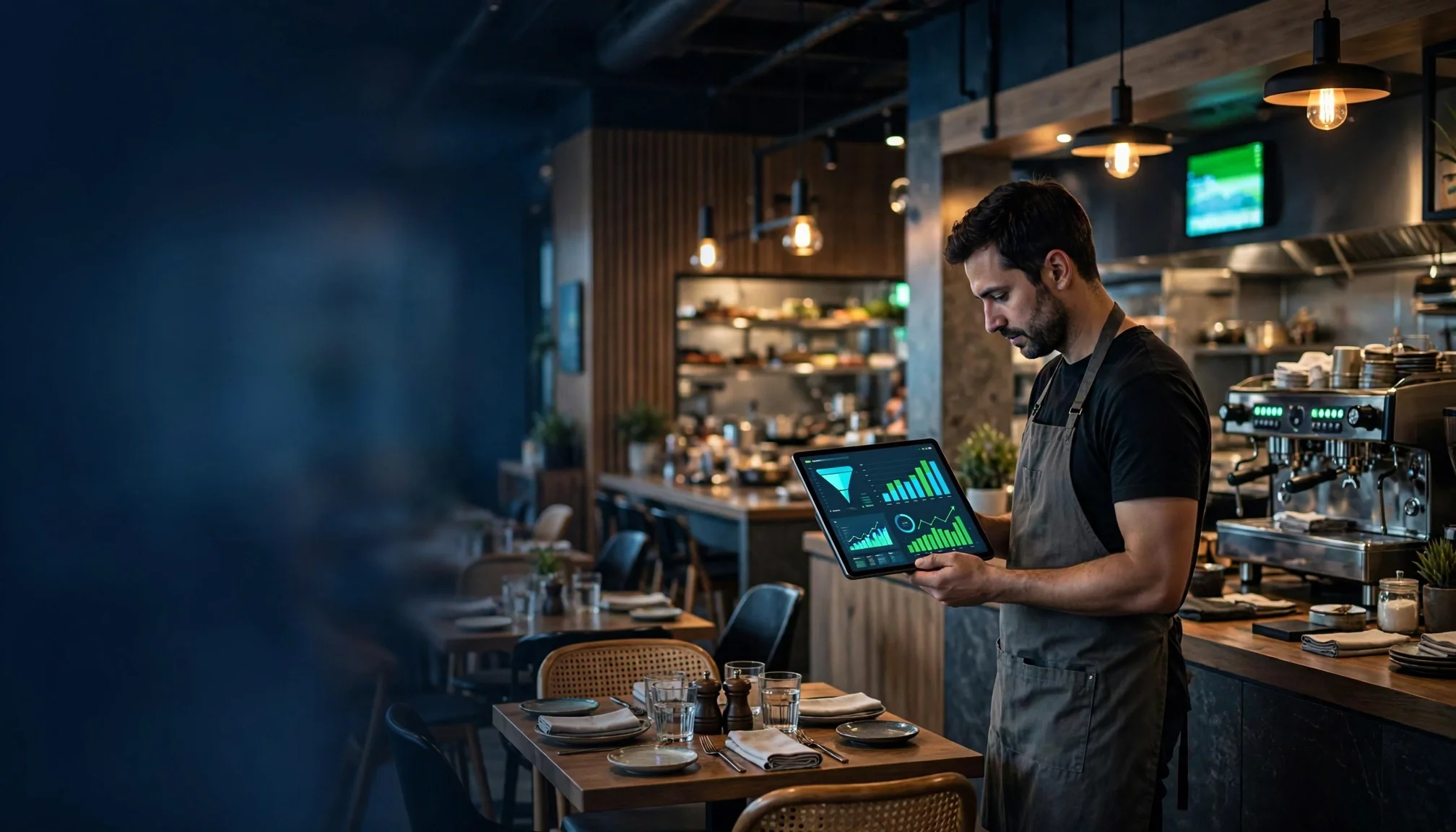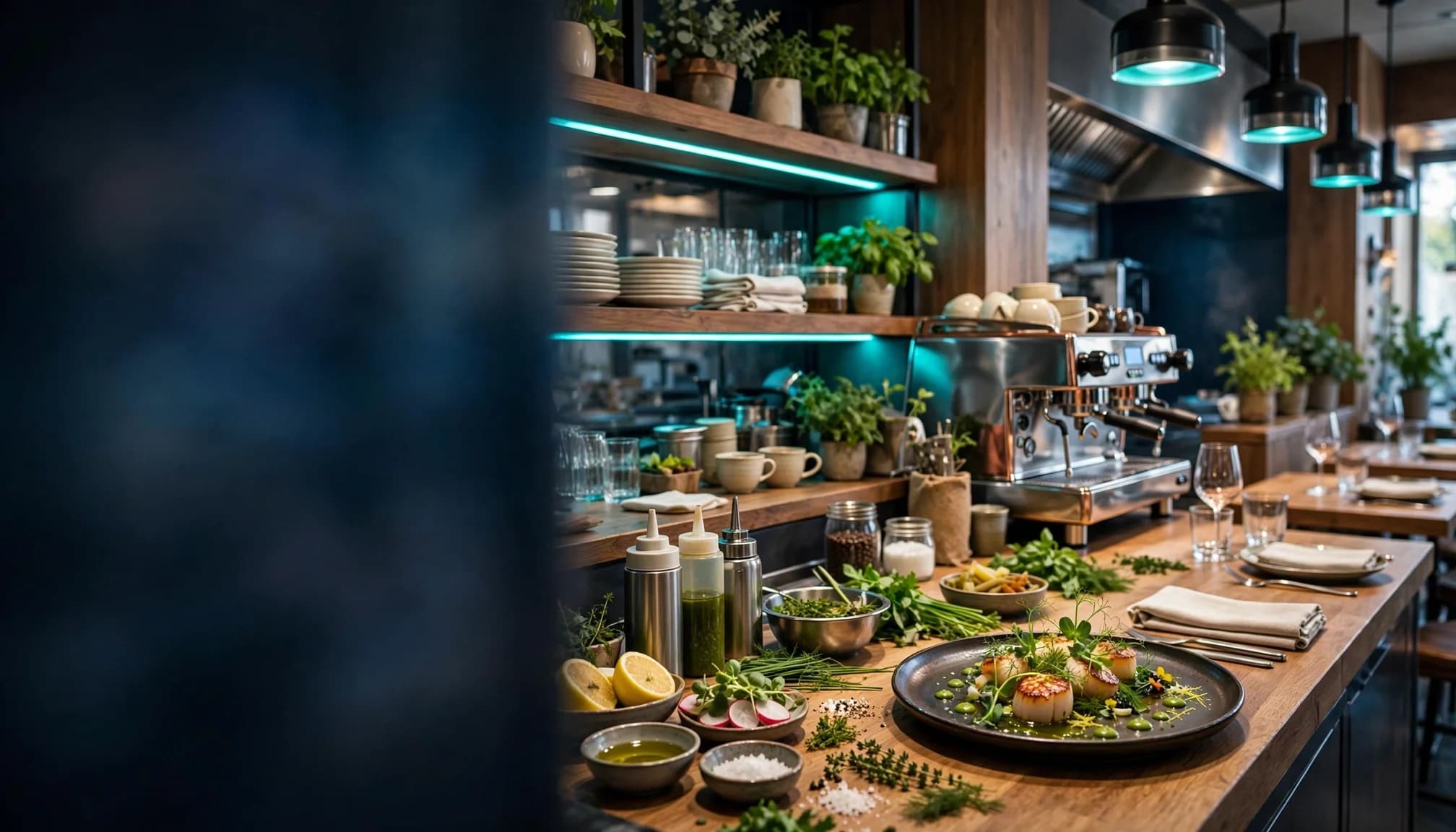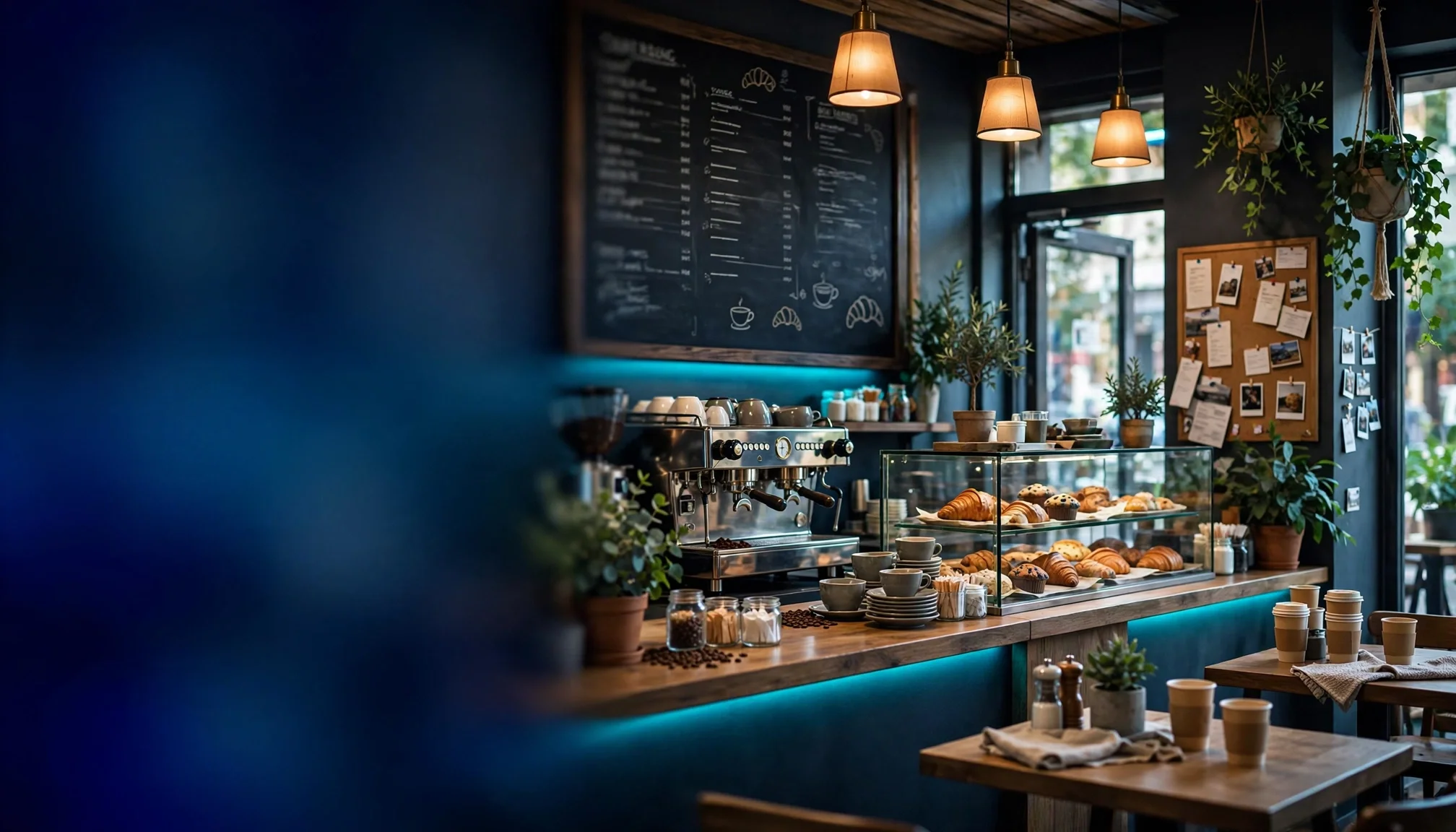
Restaurants that see food photography drive restaurant orders treat every photo as a genuine sales asset, not a quick phone snapshot taken between kitchen tasks. DigiGrowvity has helped restaurants across India build exactly this kind of deliberate visual strategy, and five consistent tactics explain why some restaurants convert scrolling into orders far more often than others.
This article breaks down exactly how food photography drives restaurant orders in practice, using specific, repeatable tactics rather than vague general advice about "taking better pictures."
How Food Photography Drives Restaurant Orders, at a Glance
| Tactic | What It Looks Like in Practice |
|---|---|
| Natural, consistent lighting | Every shoot using the same reliable light setup |
| Genuine food styling | Dishes plated exactly as a patron would actually receive them |
| Cross-channel consistency | The same strong photos reused across every platform |
| Regular reshoots | Photography refreshed as the menu and seasons change |
| Photos that match reality | No editing that overpromises what actually arrives |
Tactic 1: Using Natural, Consistent Lighting
Food photography drives restaurant orders most reliably when lighting stays natural and consistent across every shoot. Harsh artificial light or inconsistent shadows make even excellent food look unappetising. Shooting near a window during daylight hours, or investing in a simple softbox setup, produces noticeably better results than ad hoc kitchen lighting.
Reviewing lighting consistency across the photo library periodically, checking whether older photos still match the quality of newer ones, prevents a mismatched, unprofessional-looking gallery from forming gradually.
Tactic 2: Styling Dishes Exactly as Patrons Receive Them
Food photography drives restaurant orders honestly when the styled dish matches exactly what a patron actually receives. It should never be an exaggerated version built only for the camera. Overstyled photos, with portions or garnishes that never appear in the real serving, damage trust the moment a patron's actual order arrives looking different.
This honesty matters more than most restaurants realize, since a disappointed patron rarely orders again and often shares that disappointment publicly through a review.
Tactic 3: Keeping Photos Consistent Across Every Channel
Food photography drives restaurant orders efficiently when the same strong images appear consistently across Swiggy, Zomato, Instagram, Google Business Profile, and WhatsApp catalogs. Different quality levels on each platform undermine that consistency. Our Instagram marketing guide for restaurants explains how this same photography extends naturally into Reels and Stories content.
Restaurants that invest in strong photography for only one channel waste considerable value that reusing the same assets everywhere would otherwise capture.
Tactic 4: Reshooting Regularly as Menus and Seasons Change
Food photography drives restaurant orders only when it stays current. Outdated photos showing a discontinued dish or an old plating style quietly damage trust across every channel simultaneously. A regular reshoot schedule, tied to seasonal menu updates, keeps the entire photo library genuinely representative of what the kitchen serves today.
Restaurants that shoot once and never revisit photography typically accumulate a gallery that drifts further from reality with each passing season.
Tactic 5: Ensuring Every Photo Matches What Actually Arrives
Food photography drives restaurant orders sustainably only when editing stays honest. It should correct exposure and color without fabricating portions, garnishes, or plating that never appear in the actual dish. Restaurants that over-edit photos see short-term engagement followed by longer-term trust damage once reality disappoints repeatedly.
This discipline protects the very asset that made the photography valuable in the first place. Food photography drives restaurant orders through genuine appetite appeal that matches genuine experience, not exaggeration.
Why These Five Tactics Work Together
Food photography drives restaurant orders only when none of these five tactics stay in isolation. Consistent lighting means little without honest styling underneath it. Cross-channel consistency means little without regular reshoots keeping every channel current. Honest editing works best when the underlying styling already represents the dish accurately.
Restaurants that build all five together consistently see considerably stronger, more sustainable order conversion from their photography than those addressing only one or two tactics in isolation.
What Fast-Growing Restaurants Do Differently
Restaurants seeing genuinely consistent photography-driven growth review their entire photo library quarterly, checking which images perform best across every channel. Our article on what fast-growing restaurants do differently covers this same review habit in more depth.
Food photography drives restaurant orders far less consistently for restaurants that shoot once and never revisit their gallery. Their engagement plateaus as more actively managed competitors continue refreshing their own photography.
A Realistic 90-Day Timeline
Weeks one through three typically involve auditing the existing photo library, identifying outdated or inconsistent images, and planning a fresh shoot around signature and seasonal dishes. Weeks four through eight focus on the actual shoot and uploading refreshed photography consistently across every channel.
Weeks nine through twelve introduce a structured review of which photos drove the most engagement and orders, informing where future shoots should focus. This sequencing produces steadier, more durable improvement than attempting every tactic simultaneously in the first week.
Common Mistakes That Slow Down Results
Many restaurants rely on inconsistent phone snapshots taken in a rush, with harsh lighting and awkward angles that undersell genuinely good food. Food photography drives restaurant orders far less reliably when quality varies wildly from photo to photo.
Another common mistake is over-editing images until they no longer resemble what actually arrives. This exaggeration damages trust in ways many restaurant owners never trace back to the actual cause.
Some restaurants also let their photo library go stale for years, continuing to display discontinued dishes or outdated plating styles long after the kitchen has moved on.
How to Measure What Is Actually Working
Food photography drives restaurant orders most efficiently when restaurants track engagement, saves, and enquiry rates by individual photo across social media and delivery platforms monthly. These numbers together reveal exactly which images deserve wider reuse and which need retiring.
Comparing engagement on newer versus older photos also helps a restaurant understand whether its photography investment continues paying off or needs refreshing sooner than planned. Food photography drives restaurant orders most convincingly when newer shoots consistently outperform older ones.
A Short Example From Practice
One restaurant DigiGrowvity worked with relied entirely on dim, inconsistent phone photos. These undersold genuinely excellent food across every channel. After investing in a single consistent, well-lit shoot and reusing those images everywhere, engagement and orders traced back to visual content grew considerably within a single quarter.
This improvement came from presenting the same good food more honestly and consistently, a clear signal that food photography drives restaurant orders most effectively when quality and consistency both improve together.
Preparing Staff Before a Shoot
Food photography drives restaurant orders best when kitchen staff understand plating standards before a shoot begins, not after reviewing disappointing results. A clear briefing on portion sizes, garnish placement, and presentation should happen before the camera arrives, not as an afterthought once photos already look inconsistent.
Restaurants that skip this preparation often see an otherwise well-planned shoot undermined by plating that varies dish to dish throughout the session.
Choosing Which Dishes to Photograph First
Not every dish deserves equal photography investment. Food photography drives restaurant orders most efficiently when a restaurant prioritizes signature dishes and top sellers first, rather than attempting to photograph the entire menu in one overwhelming session.
A dish that already sells well photographs into an even stronger asset. A rarely ordered dish photographed first wastes budget that signature dishes would have used more productively.
Documenting What Works for Future Reference
Recording which photos, angles, and styling choices produced the strongest engagement builds a valuable internal reference for a restaurant's visual strategy. This documentation matters considerably as staff or photographers change over successive years.
A simple shared document, updated after each shoot, becomes increasingly useful as a restaurant continues refining its approach across different seasons and menu changes.
Setting Milestones Within Each Quarter
Rather than measuring progress only at quarter's end, restaurants should set interim milestones: completing the photo audit by week two, finishing the shoot by week six, and reviewing engagement by week ten.
These interim checkpoints make it considerably easier to notice a stalled effort early, rather than discovering the problem only once an entire quarter has already passed without meaningful improvement.
Building an Internal Playbook
Food photography drives restaurant orders more consistently once someone owns the visual strategy directly. A simple internal playbook, listing preferred lighting setups, plating standards, and reshoot schedules, keeps standards steady even as staff change over time.
This playbook should note which specific angles and styling choices have worked best for this particular restaurant. The ideal approach genuinely varies depending on cuisine and presentation style.
Common Questions From Restaurant Owners
Owners often ask whether professional photography is worth the cost compared to phone photos. The honest answer is that professional photography, done once and reused across every channel, typically costs less per use than it first appears, since a single shoot supports months of content everywhere a restaurant appears online.
Food photography drives restaurant orders most efficiently when owners view it as a recurring investment rather than a one-time expense, budgeting for regular reshoots alongside other marketing costs.
Coordinating Photography With Menu Planning
Food photography drives restaurant orders most smoothly when photography planning coordinates closely with menu planning, rather than treating photos as an afterthought once a new dish already launched. Scheduling a quick photo session alongside every menu update keeps the visual library current without requiring a separate, disruptive shoot later.
Some restaurants dedicate a specific team member to flag new or changed dishes for photography as soon as they appear on the menu. This keeps the coordination consistent.
Handling Seasonal Menu Changes in Photography
Many restaurants adjust their menu seasonally, and these changes need reflecting in photography promptly. Food photography drives restaurant orders more consistently when seasonal dish photos appear and disappear from every channel in sync with what the kitchen actually prepares that week.
A mismatch between displayed photos and actual availability frustrates patrons who order based on a photo of a dish that has since left the menu, damaging trust across every channel that reused the outdated image.
Scaling This Approach as a Restaurant Grows
What works for a single location needs adjustment as a restaurant expands to several branches. A shared photo library and styling standard still apply broadly across every branch. Additional oversight, someone dedicated to coordinating photography across every location's menu variations, often becomes necessary once a restaurant crosses a certain size.
Planning for this scaling early makes the eventual transition smoother. Waiting until inconsistency becomes visible across several branches causes far more disruption. This growth continues over successive years and quarters. New locations keep opening with their own local menu variations that need their own photography.
A restaurant group that documents its approach early saves considerable confusion later. This matters most before reaching a dozen branches. New managers need to understand exactly how photography standards apply across every location consistently, without relying on informal, scattered knowledge passed down inconsistently between team members over time.
Food photography drives restaurant orders most reliably when this documentation habit becomes as routine as any other operational process. It should be reviewed and refreshed every quarter alongside menu updates, pricing changes, and any new branches the group happens to open that season. Camera technology and platform photo requirements themselves continue evolving in ways a restaurant must keep pace with to stay genuinely competitive.
A Final Word Before You Begin
Food photography drives restaurant orders reliably once the underlying discipline, consistent lighting, honest styling, cross-channel consistency, regular reshoots, and accurate editing, becomes routine rather than occasional. The five tactics in this article, applied steadily over several months, build a genuinely durable visual asset for order growth.
How This Fits Into Broader Digital Marketing
Food photography drives restaurant orders most effectively when this effort connects to a wider digital marketing strategy. Delivery platforms, social media, and Google Business Profile all reinforce the same trust and visibility strong photography builds. Our food delivery marketing guide explains how photography fits alongside every other channel a restaurant uses.
Digital marketing efforts genuinely reinforce each other this way, rather than functioning as isolated, disconnected tactics across different channels.
Measuring Return on Investment
Food photography drives restaurant orders at a cost that becomes genuinely clear once a restaurant tracks engagement and order data across every channel that reuses the same shoot. Restaurants should compare photography investment against actual order volume growth over several months.
This ROI compounds over time. A single well-planned shoot keeps producing engagement across every channel long after the initial photography investment was made.
Working With an Agency Versus Managing It In-House
Some restaurants manage photography internally using a staff member with a good phone camera. This can work for a single location with modest visual needs. Larger restaurant groups typically benefit more from a dedicated agency partnership managing consistent, professional photography across every branch.
An agency familiar with food-specific photography can manage lighting, styling, and reshoot scheduling more efficiently. Stretched internal staff juggling other responsibilities rarely match that consistency.
Getting Started This Month
Audit your existing photo library this week. Identify outdated or inconsistent images. Plan a fresh shoot around signature dishes. Do this before reaching out to any photographer.
Review engagement across every channel honestly after the first month. Food photography drives restaurant orders most reliably when restaurants stay consistent rather than expecting overnight results.
Frequently Asked Questions
How quickly does food photography drive restaurant orders after a fresh shoot? Engagement improvements can show results within a few weeks of uploading refreshed photos. Order volume improvements typically take one to two months to meaningfully shift as trust in the visual content builds.
Is professional photography really necessary, or can a good phone work? A good phone can work with the right lighting and styling discipline. What matters most is consistency and honesty, not necessarily professional equipment, though a professional shoot often produces stronger results faster.
What is the single biggest mistake restaurants make with food photography? Over-editing photos until they no longer match what actually arrives. This single mistake quietly damages trust that honest, consistent photography would have protected instead.
How does digigrowvity help restaurants improve their food photography? DigiGrowvity audits existing photo libraries, plans shoots around signature and seasonal dishes, and establishes reshoot schedules and cross-channel consistency tailored to each restaurant's specific cuisine and presentation style.
Key Takeaways
- Natural, consistent lighting forms the foundation every other photography tactic depends on
- Honest styling that matches reality protects trust across every channel a photo appears on
- Reusing the same strong photos across every platform multiplies the value of one shoot
- Regular reshoots keep the entire photo library aligned with current menu and seasons
- Honest editing protects the long-term trust that genuine appetite appeal depends on
Summary
Food photography drives restaurant orders most effectively when the five tactics covered here, consistent lighting, honest styling, cross-channel reuse, regular reshoots, and accurate editing, work together as one deliberate system.
Conclusion
Food photography drives restaurant orders in a way that rewards active, ongoing investment far more than a single rushed shoot reused for years without revision. Restaurants that invest in all five tactics together tend to see steadier, more predictable order growth than those treating photography as an afterthought.
Our team at DigiGrowvity has built exactly this kind of active visual strategy for restaurants across India. Contact us to discuss how these five tactics could apply to your specific restaurant, or read our Instagram marketing guide for restaurants for a related look at turning strong photography into social media growth.
References
- World Health Organization
- Wikipedia: Food Photography
- Google Business Profile Help
- Food Safety and Standards Authority of India guidance on food business advertising