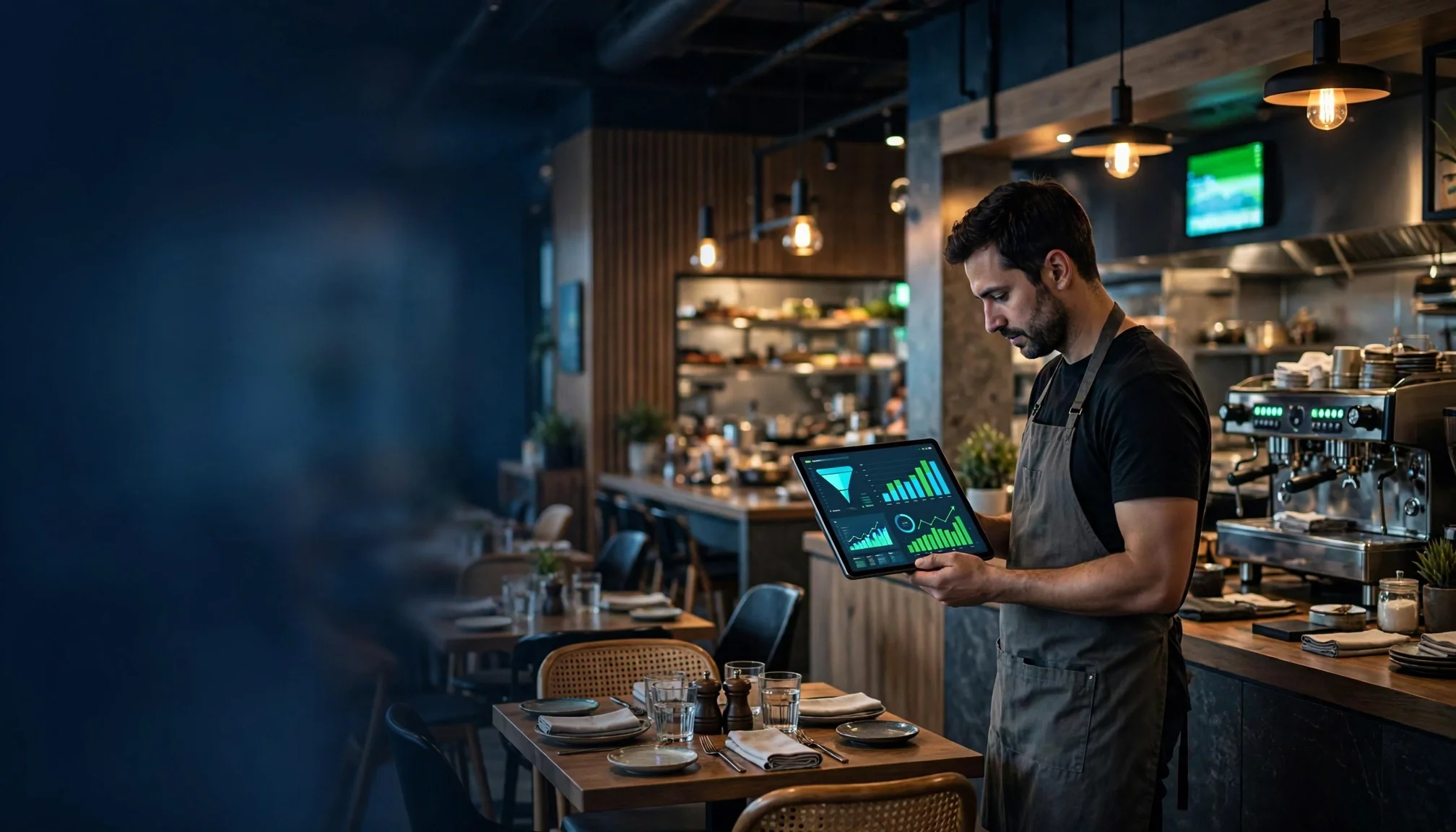
Owners chasing food business growth often focus on a single lever, a delivery platform push, a social media campaign, a new menu, without connecting these efforts into one coherent strategy. DigiGrowvity has helped restaurants, cafes, and cloud kitchens across India build exactly this kind of connected growth system, and this guide brings together the seven areas that matter most regardless of format.
This article works as a complete reference for any food and beverage business, pointing to deeper guides on each individual tactic while explaining how food business growth performs best when every area reinforces the others.
The Seven Areas of Food Business Growth, at a Glance
| Area | What It Covers |
|---|---|
| Clear positioning and niche | What the business is genuinely known for locally |
| Delivery platform presence | Swiggy, Zomato, and direct WhatsApp ordering |
| Social media and content | Instagram, Reels, and visual storytelling |
| Local search visibility | Google Business Profile and website SEO |
| Reputation management | Reviews across every platform the business appears on |
| Operational alignment | Marketing efforts matched to kitchen and staff capacity |
| Measurement and iteration | Tracking what actually drives revenue each month |
Area 1: Establishing Clear Positioning and Niche
Food business growth starts with genuine clarity about what a business is actually known for locally. This might be a specific cuisine, a signature dish, or a particular occasion patrons associate with visiting. A business trying to be everything to everyone typically struggles to build the word-of-mouth that a clearly positioned competitor earns more easily.
This positioning should inform every other area covered here, from the photography commissioned to the platforms prioritized for paid advertising.
Area 2: Building Delivery Platform Presence
Food business growth depends heavily on delivery platforms for most restaurants and cloud kitchens. Swiggy and Zomato handle much of first-time discovery in most Indian cities. Our food delivery marketing guide covers Swiggy, Zomato, and WhatsApp ordering in specific depth.
Cafes and dine-in-focused businesses depend on this area less heavily, though a WhatsApp ordering channel still helps capture patrons who prefer texting over calling.
Area 3: Growing Social Media and Visual Content
Food business growth accelerates through social media. Instagram and Reels give any food business, regardless of format, a way to showcase the actual experience beyond a delivery platform listing. Our Instagram marketing guide for restaurants and food photography guide cover this area in depth.
Cafes benefit especially from this area, since ambiance and atmosphere translate into visual content more naturally than into a delivery platform listing.
Area 4: Strengthening Local Search Visibility
Food business growth relies on local search for the many patrons who discover a business through Google rather than social media or a delivery app directly. Our Google Business Profile guide covers the profile side of this area. Our restaurant SEO strategy guide covers the website side.
This area matters for every food business format, since "restaurant near me," "cafe near me," and similar searches drive genuine walk-in and call volume regardless of cuisine or setup.
Area 5: Managing Reputation Across Every Platform
Food business growth depends on reputation. Ratings on Google, Swiggy, Zomato, and Facebook all directly shape both platform visibility and a patron's final decision. Our restaurant reputation management guide covers the specific tactics that keep this area healthy.
A business with a declining rating sees its visibility decline correspondingly across every channel, making reputation a genuine growth lever rather than just a trust signal.
Area 6: Aligning Marketing With Operational Capacity
Food business growth stalls quickly when marketing efforts outpace what the kitchen and staff can actually deliver. A successful promotion that overwhelms an unprepared kitchen damages the very reputation the promotion was meant to build.
This alignment matters more as a business grows, since what one kitchen handled comfortably at a single location often needs rethinking across several branches with varying staff experience.
Area 7: Measuring and Iterating Every Month
Food business growth compounds fastest when a business tracks revenue, ratings, and channel performance together monthly rather than reacting to isolated wins or setbacks. Our article on what fast-growing restaurants do differently covers this review discipline in more depth.
Businesses that never review their own numbers typically plateau, while consistently measured businesses keep finding small improvements that compound over successive quarters.
Why These Seven Areas Work Together
None of these seven areas function particularly well in isolation. Strong positioning means little without delivery and social channels actually reaching the right patrons. Reputation built on one platform shapes trust everywhere else. Operational alignment determines whether growth in every other area translates into genuine patron satisfaction rather than disappointment.
Food business growth performs best when a business treats these seven areas as one connected system, with lessons and content flowing freely between them rather than staying siloed by format or department.
A Realistic 90-Day Timeline
Weeks one through four typically involve clarifying positioning and auditing every existing channel, delivery platforms, social media, Google Business Profile, and current reputation, against this seven-area framework. Weeks five through eight focus on fixing the most visible gaps, usually photography, listing completeness, and review response backlogs.
Weeks nine through twelve introduce a structured monthly review process, tracking which areas actually drove revenue and where further investment makes sense. This sequencing produces steadier, more durable improvement than attempting every area simultaneously in the first week.
Common Mistakes That Slow Down Results
Many food businesses invest heavily in one area, often paid advertising, while neglecting the operational readiness that determines whether new patrons become repeat ones. Food business growth rewards balanced effort across every area far more than concentrated effort in just one.
Another common mistake is copying a competitor's exact strategy without adapting it to genuine positioning and local circumstances. A tactic that works for one cuisine or neighborhood does not automatically transfer to another.
Some businesses also skip measurement entirely, running every area on instinct rather than tracking what genuinely drives revenue month over month.
How to Measure What Is Actually Working
Food business growth improves most efficiently when businesses track revenue by channel, average rating, and enquiry conversion together each month. Viewing these numbers side by side reveals which areas deserve more investment and which need fixing before receiving more budget.
Comparing performance against nearby competitors, where visible, also helps a business understand whether its own improvements are keeping pace with the broader local market.
A Short Example From Practice
One food business DigiGrowvity worked with had reasonably strong delivery platform listings but a dormant social media presence and an unmonitored Google Business Profile. After connecting these areas, reusing delivery-platform photography on Instagram and actively managing the Google profile, total revenue across every channel grew considerably within two quarters.
This improvement came from connecting existing assets rather than creating anything entirely new, a clear signal that food business growth often needs coordination more than fresh investment.
Preparing Staff Before Growth Arrives Across Every Channel
Food business growth succeeds quickly enough that an unprepared kitchen or front-of-house team can become the actual bottleneck. A clear process for handling orders and enquiries arriving from delivery platforms, WhatsApp, and phone calls simultaneously should exist before actively pursuing growth across every channel at once.
Businesses that skip this preparation often see a properly optimised presence undermined by slow, inconsistent fulfillment during the exact weeks when combined channel growth finally arrives.
Choosing Which Areas to Prioritize First
Not every food business needs to build all seven areas simultaneously. Food business growth works best when a business honestly assesses which area already shows the most promise, then invests there first before expanding to the rest.
A cloud kitchen with no dine-in space should prioritize delivery platforms and social content. A cafe built around ambiance should prioritize visual storytelling and local search visibility instead.
Documenting What Works for Future Reference
Recording which channels, campaigns, and operational changes produced the strongest results builds a valuable internal reference for a business's overall growth strategy. This documentation matters considerably as staff change roles over successive years.
A simple shared document, updated after each quarter, becomes increasingly useful as a business continues refining its approach across every area and season.
Setting Milestones Within Each Quarter
Rather than measuring progress only at quarter's end, businesses should set interim milestones: completing the full channel audit by week four, fixing the top three gaps by week eight, and reviewing combined performance by week twelve.
These interim checkpoints make it considerably easier to notice a stalled effort early, rather than discovering the problem only once an entire quarter has already passed without meaningful improvement.
Building an Internal Playbook
Food business growth performs more consistently once someone owns the cross-channel process directly. A simple internal playbook, listing who manages each platform, who monitors reputation, and who reviews performance monthly, keeps standards steady even as staff change over time.
This playbook should note which specific channels and tactics have worked best for this particular business. The ideal mix genuinely varies depending on format, cuisine, and local competition.
Common Questions From Food Business Owners
Owners often ask which single area matters most across different formats. The honest answer is that no single area reliably outperforms a connected system across all seven. The relative weight does shift by format: delivery platforms matter more for cloud kitchens, ambiance content matters more for cafes.
Food business growth rewards this connected approach specifically because patrons move between channels constantly, checking Instagram, then Google, then a delivery platform, before finally deciding where to spend money.
Coordinating Growth Efforts With Kitchen Operations
Food business growth works most smoothly when growth efforts and kitchen operations coordinate closely rather than existing as separate, disconnected departments. A promotion that drives a sudden spike in demand means little if the kitchen cannot fulfill it quickly and consistently.
Some businesses dedicate a specific team member to monitor combined demand across channels during peak hours. This ensures growth success translates into actual patron satisfaction rather than delayed, frustrating fulfillment.
Handling Seasonal Changes Across Every Format
Many food businesses adjust their offerings seasonally, and these changes need reflecting consistently across delivery platforms, social media, and Google Business Profile simultaneously. Food business growth works best when every channel stays in sync with what the kitchen is actually preparing that week.
A mismatch between one channel's content and actual availability frustrates patrons. It damages trust that took considerable effort to build across every other channel.
Scaling This Approach as a Business Grows
What works for a single location needs adjustment as a business expands to several branches or formats. A shared playbook and content library still apply broadly across every branch. Additional oversight, someone dedicated to monitoring all seven areas across every location, often becomes necessary once a business crosses a certain size.
Planning for this scaling early makes the eventual transition smoother. Waiting until inconsistency becomes visible across several branches causes far more disruption. This growth continues over successive years and quarters. The business keeps expanding into new neighbourhoods, cities, and even new formats, like a cloud kitchen alongside an existing dine-in restaurant.
A business group that documents its approach early saves considerable confusion later. This matters most before reaching a dozen branches. New managers need to understand how food business growth works across every location. Otherwise they rely on scattered knowledge. That knowledge gets passed down inconsistently between team members over time.
A Final Word Before You Begin
Food business growth rewards owners who treat all seven areas, positioning, delivery, social media, local search, reputation, operations, and measurement, as one connected system rather than separate projects. The framework in this guide, applied steadily over several months, builds a genuinely durable foundation regardless of format.
How This Fits Into Broader Digital Marketing
Food business growth sits within a wider digital marketing strategy, connecting to branding, customer experience, and overall business planning. Our digital marketing services page covers the broader range of channels available to food businesses beyond format-specific tactics.
Digital marketing efforts genuinely reinforce each other this way, rather than functioning as isolated, disconnected tactics across different channels.
Measuring Return on Investment
Food business growth costs become genuinely clear once a business tracks investment against revenue growth across every channel over several months. This comparison matters more than judging any single area in isolation.
This ROI compounds over time. A strong reputation and consistent presence across channels keep producing revenue long after the initial setup investment was made.
Working With an Agency Versus Managing It In-House
Some food businesses manage growth internally using existing staff. This can work for a single location with modest channel complexity. Larger food business groups typically benefit more from a dedicated agency partnership managing consistency across every channel and branch simultaneously.
An agency familiar with the full seven-area framework can coordinate positioning, channels, and reputation more efficiently. Stretched internal staff juggling other responsibilities rarely match that consistency.
Getting Started This Month
Clarify your positioning this week. Audit every channel against the seven-area framework above. Identify the two or three biggest gaps. Fix those before expanding effort anywhere else.
Review combined revenue honestly after the first month. Food business growth works most reliably when businesses stay consistent across every area rather than expecting overnight results from any single one.
Frequently Asked Questions
How long does food business growth take to show results? Individual area improvements can show results within a few weeks. The full connected system typically takes two to three months to meaningfully shift combined revenue across every channel.
Does this framework apply equally to restaurants, cafes, and cloud kitchens? The seven areas apply to every format, though the relative weight shifts. Cloud kitchens lean more heavily on delivery platforms, while cafes lean more heavily on ambiance content and local search visibility.
What is the single biggest mistake food businesses make with growth? Treating each channel as a separate project rather than one connected system. This disconnection wastes considerable effort that shared content and coordinated messaging would otherwise save.
How does digigrowvity help food businesses grow? DigiGrowvity clarifies positioning, audits every existing channel, and builds a coordinated strategy across delivery platforms, social media, local search, and reputation management tailored to each business's specific format and goals.
Key Takeaways
- Food business growth performs best as one connected system spanning all seven areas
- Positioning should inform every other area, from photography to platform priority
- Delivery platforms, social media, and local search each capture different discovery moments
- Reputation management influences trust across every platform simultaneously
- Monthly measurement across all channels reveals where further investment makes sense
Summary
Food business growth works most effectively when the seven areas covered here, positioning, delivery presence, social media, local search, reputation, operations, and measurement, connect into one deliberate system rather than separate, isolated efforts.
Conclusion
Food business growth rewards owners who coordinate every area rather than treating each one as an isolated project. Businesses that build this connected system tend to see steadier, more predictable growth than those investing heavily in just one area while neglecting the rest.
Our team at DigiGrowvity has built exactly this kind of connected growth system for restaurants, cafes, and cloud kitchens across India. Contact us to discuss how this seven-area framework could apply to your specific business, or explore our dedicated guides on food delivery marketing, Google Business Profile, and reputation management for a deeper look at each individual area.
References
- World Health Organization
- Wikipedia: Foodservice
- Google Business Profile Help
- Food Safety and Standards Authority of India guidance on food business advertising