Digital marketing fills restaurant tables far more predictably than relying on walk-ins or word of mouth alone, since patrons researching where to eat now search and compare options online before ever walking through the door. DigiGrowvity has worked with restaurants across India, and five consistent ways explain how this steady table-filling happens.
This article breaks down exactly how digital marketing fills restaurant tables in practice, using specific, repeatable tactics rather than vague general advice.
How Digital Marketing Fills Restaurant Tables, at a Glance
| Way | What It Looks Like in Practice |
|---|---|
| Local SEO visibility | Appearing when nearby diners search for a cuisine |
| Appetising food photography | Genuine, professional images driving interest |
| Fast WhatsApp reservations | Low-friction booking through a familiar app |
| Delivery platform optimisation | Strong presence on Zomato and Swiggy |
| Consistent reviews | A steady flow of recent, positive dining experiences |
Way 1: Local SEO Brings in Nearby Diners
Digital marketing fills restaurant tables most reliably when a restaurant appears prominently in local search results for its specific cuisine and location. A patron searching "best biryani in [city]" should find the restaurant within the first few results, not buried on page two.
This requires an accurate, fully completed Google Business Profile, consistent listings across food directories, and a genuinely helpful website describing the menu and ambiance clearly.
Way 2: Appetising, Genuine Food Photography Drives Interest
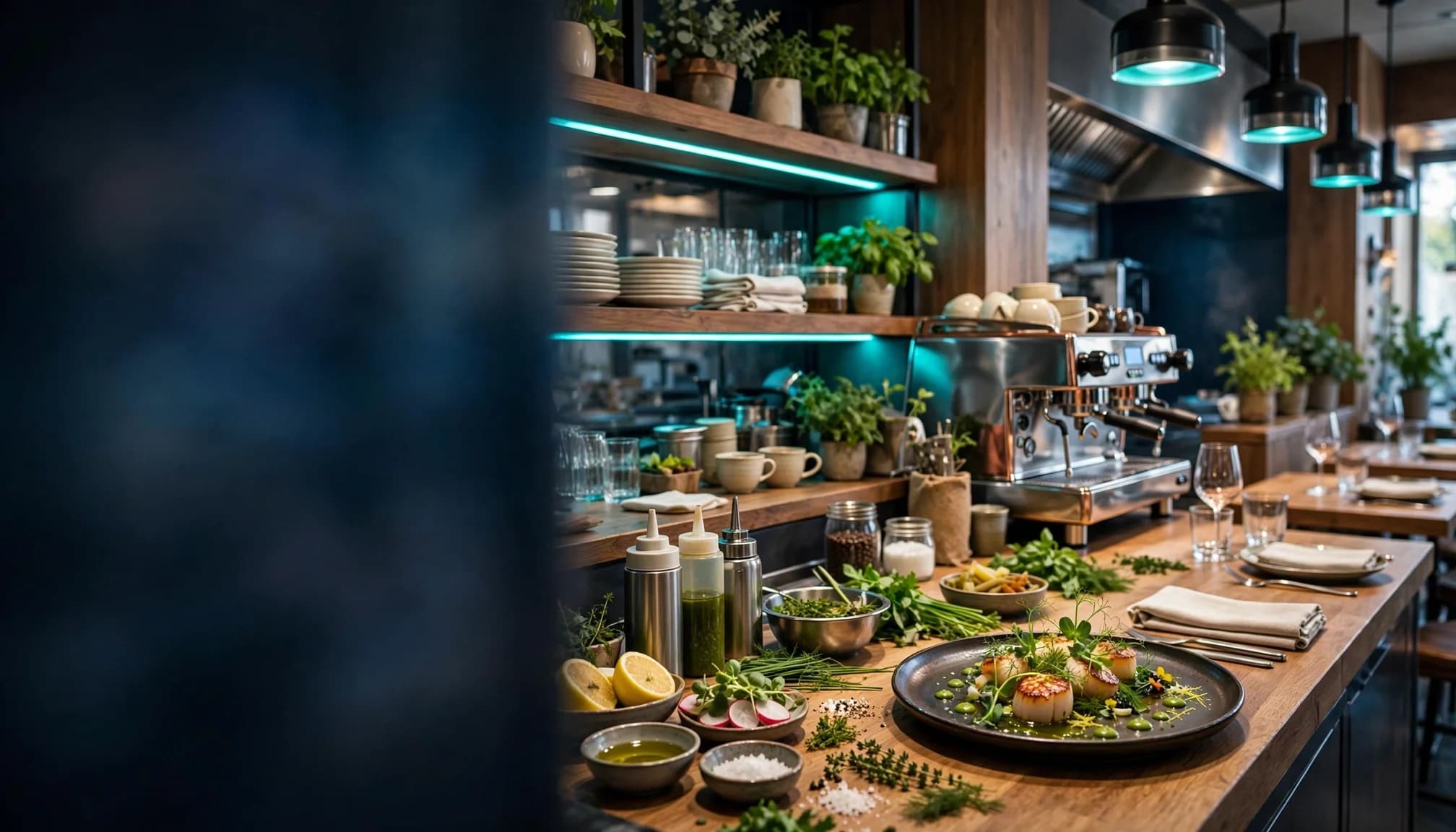
Digital marketing fills restaurant tables partly through visual appeal, since food is an inherently visual product and patrons decide where to eat based heavily on how appetising a dish looks online. Professional, genuine photography consistently outperforms low-quality phone photos or generic stock imagery.
This visual investment pays for itself quickly, since strong food photography works across every channel, the website, social media, and delivery platforms, simultaneously.
Way 3: Fast WhatsApp Reservations Remove Friction
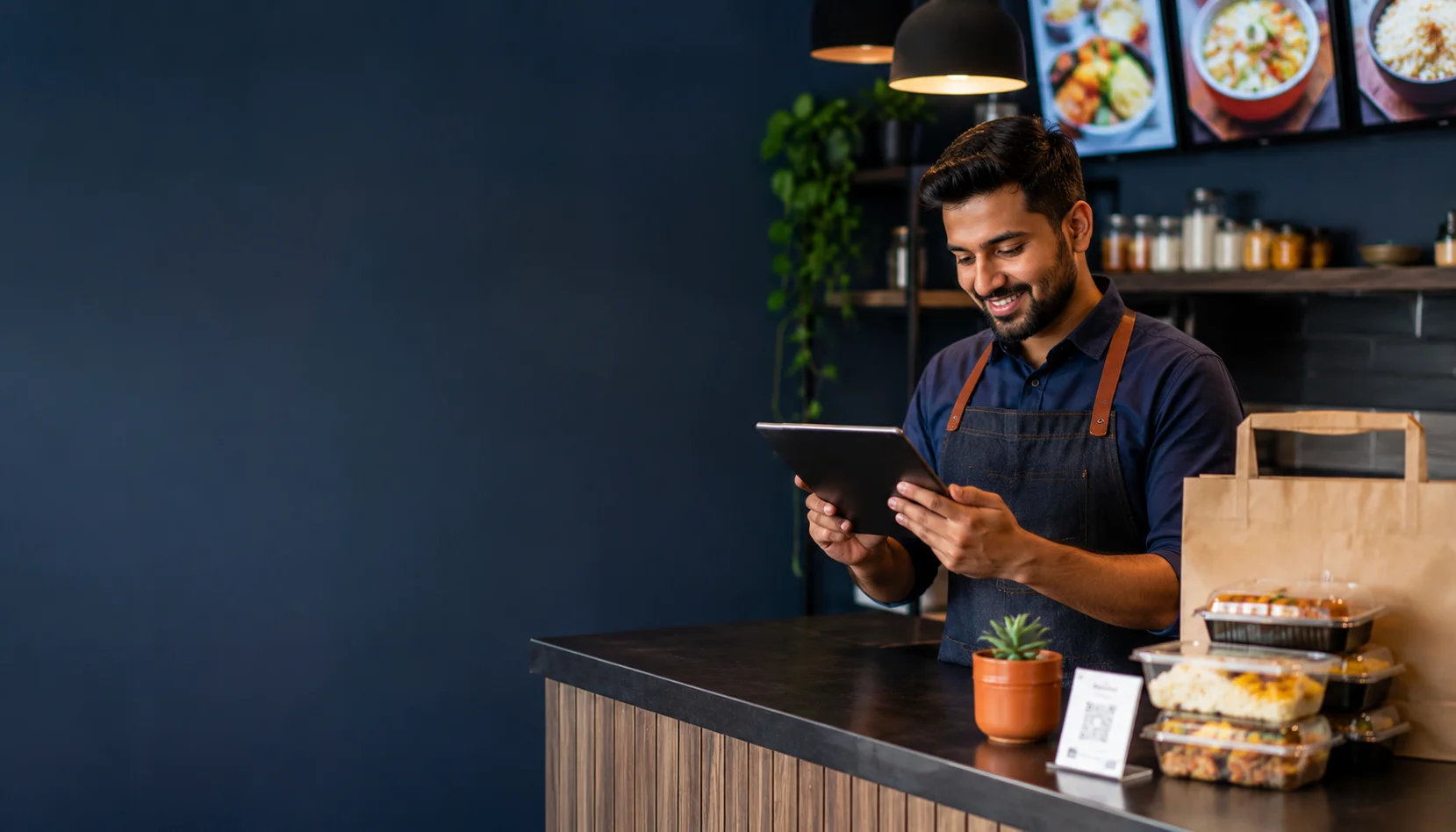
Digital marketing fills restaurant tables efficiently through WhatsApp, since patrons already use the app daily and prefer it over calling during a busy service or filling out an unfamiliar booking form. A simple message exchange to reserve a table removes considerable friction.
This low friction particularly matters for restaurants, since patrons often decide where to eat on short notice, and any added booking complexity loses that spontaneous decision entirely.
Way 4: Strong Optimisation on Delivery Platforms
Digital marketing fills restaurant tables and drives orders simultaneously when a restaurant actively optimises its presence on Zomato and Swiggy, not just claiming a listing but actively managing photos, menu accuracy, and promotional offers. Most Indian diners now check these platforms before deciding where to order or eat.
Neglecting this presence, letting menu items go outdated or ignoring platform promotions, quietly costs a restaurant considerable order volume every single week.
Way 5: A Steady, Genuine Flow of Reviews
Digital marketing fills restaurant tables partly through review volume, since a restaurant with dozens of recent, genuine reviews appears considerably more trustworthy than one with only a handful of old ones. Building this flow requires asking satisfied patrons directly, right after a positive dining experience.
Our online reputation management services help restaurants build this process consistently and sustainably.
Why These Five Ways Work Together
None of these five ways function particularly well in isolation. Local SEO brings in the initial search. Food photography converts that interest into a decision. Fast booking removes friction. Delivery platform optimisation and reviews reinforce trust throughout the entire process.
Restaurants that build all five together consistently see considerably stronger, more sustainable table and order volume than those addressing only one or two ways in isolation.
What Fast-Growing Restaurants Do Differently
Restaurants seeing genuinely consistent growth review enquiry and order sources monthly, reinvesting effort into whichever channel is currently producing the strongest return. Our article on what fast-growing restaurants do differently covers this review habit in more depth.
Restaurants that set up marketing once and rarely revisit it typically see footfall plateau as competitors continue actively investing in their own visibility and online presence.
A Realistic 90-Day Timeline
Weeks one through three typically involve auditing the Google Business Profile, gathering genuine food photography, and setting up WhatsApp reservations. Weeks four through eight focus on optimising delivery platform listings and launching a consistent review-request habit.
Weeks nine through twelve introduce a small, targeted local ads campaign for the restaurant's signature dishes, informed by which organic channels have already converted best. This sequencing produces steadier, more sustainable growth than launching every tactic simultaneously in week one.
Common Mistakes That Slow Down Results
Many restaurants use low-quality photos instead of genuine, professional food photography, which prospective diners increasingly scroll past without a second look. Investing in even modest professional photography consistently performs better than generic phone snapshots.
Another common mistake is neglecting delivery platform listings after the initial setup, letting menu items and photos go stale for months. This neglect quietly costs order volume that active management would have captured.
Some restaurants also respond to WhatsApp enquiries slowly, losing prospective diners to a nearby competitor who simply replies faster and more considerately.
How to Measure What Is Actually Working
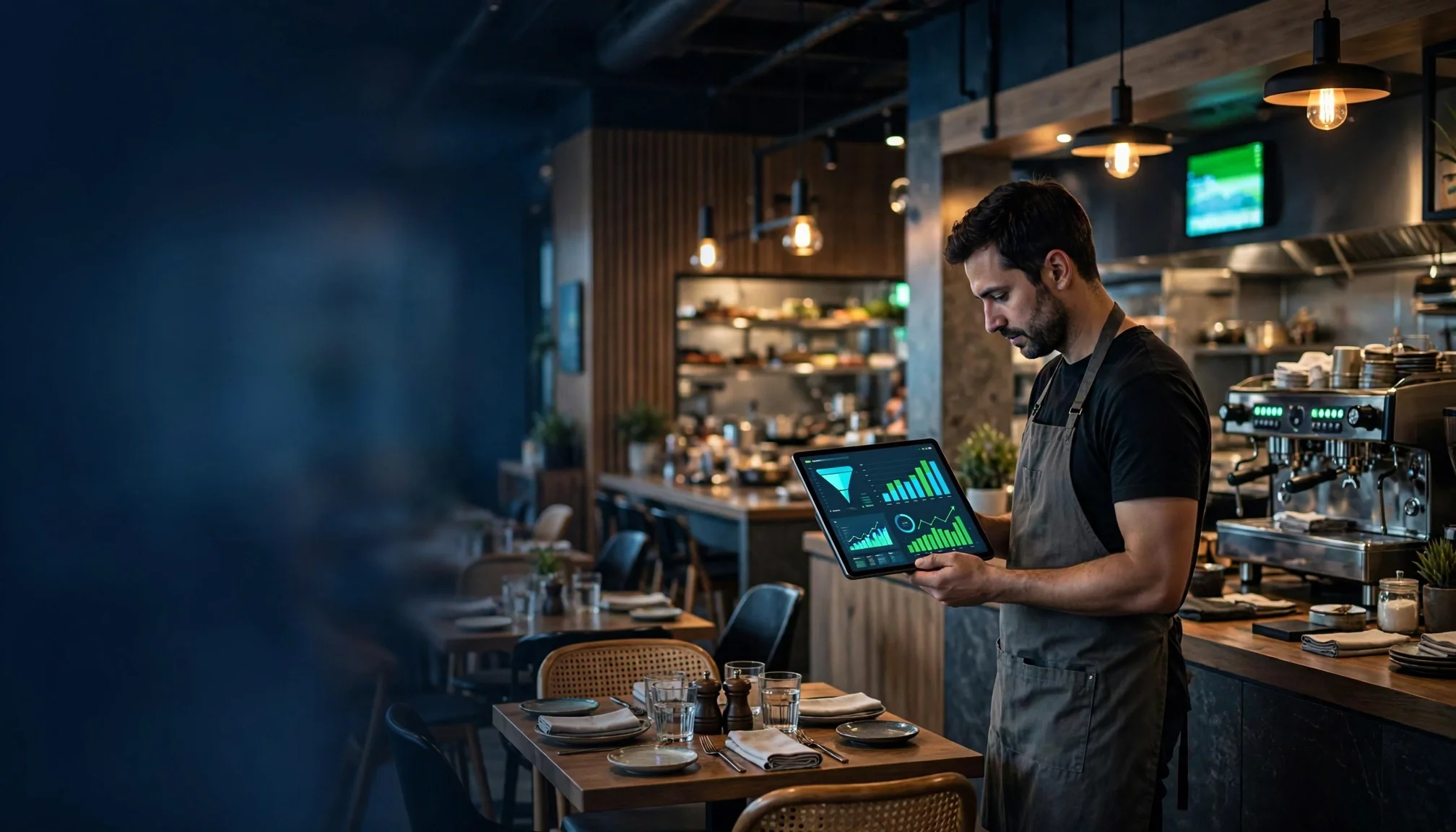
Digital marketing fills restaurant tables most efficiently when restaurants track reservation volume by source, delivery platform order volume, and review growth over time. These numbers together reveal exactly where marketing effort is working hardest.
Reviewing which specific dishes and promotions perform best on delivery platforms helps a restaurant refine its menu presentation and offers for whatever consistently proves most popular with its specific customer base.
A Short Example From Practice
One restaurant DigiGrowvity worked with had decent food quality but low-quality photos and an inconsistent delivery platform presence. After investing in professional photography, actively managing Zomato and Swiggy listings, and setting up WhatsApp reservations, both dine-in bookings and delivery orders grew considerably within a single quarter.
This improvement came from addressing several small gaps simultaneously, a clear signal that digital marketing fills restaurant tables most effectively when every tactic works together as one system.
How This Fits Into Broader Digital Marketing
Digital marketing fills restaurant tables best when paired with a wider strategy. Google Ads and social media both bring diners to a restaurant's profile, while WhatsApp converts that interest into an actual booking or order.
A patron who finds a restaurant through Google and then messages on WhatsApp expects a quick, friendly reply. Digital marketing efforts genuinely reinforce each other this way.
Measuring Return on Investment
Digital marketing fills restaurant tables at a cost that becomes clear once proper tracking is in place. Restaurants should compare total marketing spend against confirmed bookings and delivery orders, not just raw enquiry counts.
This ROI compounds over time. Reviews and local SEO gains persist, while delivery platform visibility can produce fast, immediate order volume once optimised properly.
Working With an Agency Versus Managing It In-House
Some restaurants manage digital marketing internally using existing staff. This can work for a single location with modest complexity. Larger restaurant groups typically benefit more from a dedicated agency partnership managing consistency across every branch and delivery platform.
An agency familiar with food-business-specific marketing can manage photography, platform optimisation, and review generation more efficiently than stretched internal staff. Our social media marketing services cover the visual content side of this strategy in more depth.
Getting Started This Month
Audit your Google Business Profile this week. Update your delivery platform listings with fresh photos. Set up WhatsApp reservations before spending on anything else.
Review results honestly after the first month. Digital marketing fills restaurant tables most reliably when restaurants stay consistent rather than expecting overnight results.
Preparing Staff Before Volume Increases
Digital marketing fills restaurant tables quickly enough that unprepared staff can become the actual bottleneck. A shared reservation tracker and clear WhatsApp response protocol should exist before promoting the restaurant more actively.
Restaurants that skip this preparation often see genuine interest go unanswered during busy service hours, undermining the very trust consistent marketing was meant to build.
Choosing the Right Dishes to Highlight First
Not every dish deserves equal marketing investment. Digital marketing fills restaurant tables most efficiently when a restaurant leads with its most visually striking, most popular signature dishes rather than promoting the entire menu equally.
A dish with genuinely strong visual appeal and consistent demand typically converts better in marketing. This holds true even if a subtler item is equally delicious. Both matter to the overall menu, but marketing effort should follow visual and popularity strength first.
Documenting What Works for Future Reference
Recording which dishes, photos, and promotions produced the strongest booking and order results builds a valuable internal reference for a restaurant's marketing efforts. This documentation matters considerably as staff change roles over successive years.
A simple shared document, updated after each quarter, becomes increasingly useful as a restaurant continues refining how digital marketing fills restaurant tables across different seasons and menu changes over time.
Setting Milestones Within Each Quarter
Rather than measuring progress only at quarter's end, restaurants should set interim milestones: completing a profile audit by week two, launching new photography by week six, and reviewing platform performance by week ten.
These interim checkpoints make it considerably easier to notice a stalled effort early, rather than discovering the problem only once an entire quarter has already passed without meaningful improvement.
Choosing the Right Focus for a Restaurant's Market
Digital marketing fills restaurant tables differently depending on how competitive a specific city or cuisine happens to be. A single-location restaurant in a smaller city often stands out with a modest, consistent effort. A restaurant in a dense, competitive urban market faces considerably more competition and needs a more thorough, sustained approach.
Common Questions From Restaurant Owners
Owners often ask whether digital marketing fills restaurant tables quickly enough to justify the investment compared to simply relying on walk-ins and word of mouth. The honest answer is that word of mouth alone rarely produces predictable, scalable growth, since it depends entirely on existing patrons happening to recommend the restaurant to someone else.
Digital marketing produces a considerably more controllable, measurable path to growth. A restaurant can directly influence visibility, trust, and booking convenience. Waiting passively for word of mouth to spread offers no such control.
Coordinating Marketing With the Kitchen and Front of House
Digital marketing fills restaurant tables more smoothly when the kitchen and front-of-house staff know exactly what promotions and campaigns are currently running. A patron asking about a specific offer seen online should never be met with confusion from unprepared staff.
A brief daily briefing before service, mentioning any active promotions, keeps everyone aligned and ready to reference the same campaigns confidently when patrons bring them up during a visit.
Building an Internal Playbook
Digital marketing fills restaurant tables more consistently once someone owns the process directly. A simple internal playbook, listing who manages photography, who requests reviews, and who reviews monthly performance, keeps standards steady even as staff change over time.
This playbook should note which specific dishes, campaigns, and platforms have performed best for this particular restaurant, since the ideal focus genuinely varies depending on cuisine and local competition.
Start This Quarter
Pick one signature dish to highlight first. Gather genuine, professional photos this week. Set up WhatsApp reservations before spending on anything else.
Digital marketing fills restaurant tables steadily, not overnight. Small, consistent steps beat a single large push that fades after a month. Revisit progress in thirty days.
Handling Seasonal Menu Changes
Many restaurants adjust their menu seasonally, introducing dishes suited to specific weather or festival periods. Digital marketing fills restaurant tables more consistently when marketing anticipates these changes rather than reacting after a new menu has already launched quietly.
Planning photography and promotion a few weeks ahead of each seasonal menu change keeps a restaurant consistently visible exactly when patrons start searching for those specific seasonal offerings.
Repurposing Content Across Channels
A single strong photo or video rarely needs to stay confined to one platform alone. Digital marketing fills restaurant tables further when the same appetising content gets shared across the website, social media, and delivery platforms simultaneously.
This repurposing extends the reach of each piece of content considerably. It avoids requiring an entirely new photoshoot for every single channel a restaurant wants to reach patrons through. This approach saves both time and money over the course of a genuinely busy operating year for any growing restaurant business.
A Final Word Before You Begin
Digital marketing fills restaurant tables reliably once the underlying discipline, genuine photography, visibility, fast booking, and consistent reviews, becomes routine rather than occasional. The five ways in this article, applied steadily over several months, build a genuinely durable foundation for growth.
Frequently Asked Questions
How quickly does digital marketing fills restaurant tables results appear? Local SEO and photography improvements typically take four to eight weeks to show measurable results. Delivery platform optimisation can produce order increases within days of implementation.
Do delivery platforms matter as much as dine-in marketing? Yes, considerably, especially in urban India. Many restaurants now generate a substantial share of revenue through delivery, making platform optimisation just as important as dine-in visibility.
What is the single biggest mistake restaurants make with digital marketing? Using low-quality food photography. Since food is an inherently visual product, weak photos quietly cost considerable interest regardless of how good the food actually tastes in person.
How does digigrowvity help restaurants with digital marketing? DigiGrowvity builds local SEO visibility, professional food photography strategies, and active delivery platform management tailored to each restaurant's specific cuisine and customer base.
Key Takeaways
- Strong local SEO visibility brings in diners already searching for a specific cuisine nearby
- Genuine, professional food photography converts online interest into actual bookings and orders
- Fast WhatsApp reservations capture the spontaneous, short-notice nature of many dining decisions
- Active delivery platform management captures a growing share of restaurant revenue in India
- A steady flow of genuine reviews builds the trust needed before a diner ever visits
Summary
Digital marketing fills restaurant tables most effectively when the five ways covered here, local SEO, food photography, fast reservations, delivery platform optimisation, and reviews, work together as one considered system.
Conclusion
Digital marketing fills restaurant tables in a way that rewards genuine, visible quality and consistent presence far more than aggressive, generic advertising. Restaurants that invest in all five ways together tend to see steadier, more predictable growth in both dine-in bookings and delivery orders.
Our team at DigiGrowvity has built exactly this kind of consistent system for restaurants across India. Contact us to discuss how these five ways could apply to your specific restaurant, or explore our online reputation management services for a related look at building the trust that converts online interest into bookings.
References
- Google Business Profile Help
- World Health Organization
- Wikipedia: Restaurant Marketing
- Food Safety and Standards Authority of India guidance on food business advertising