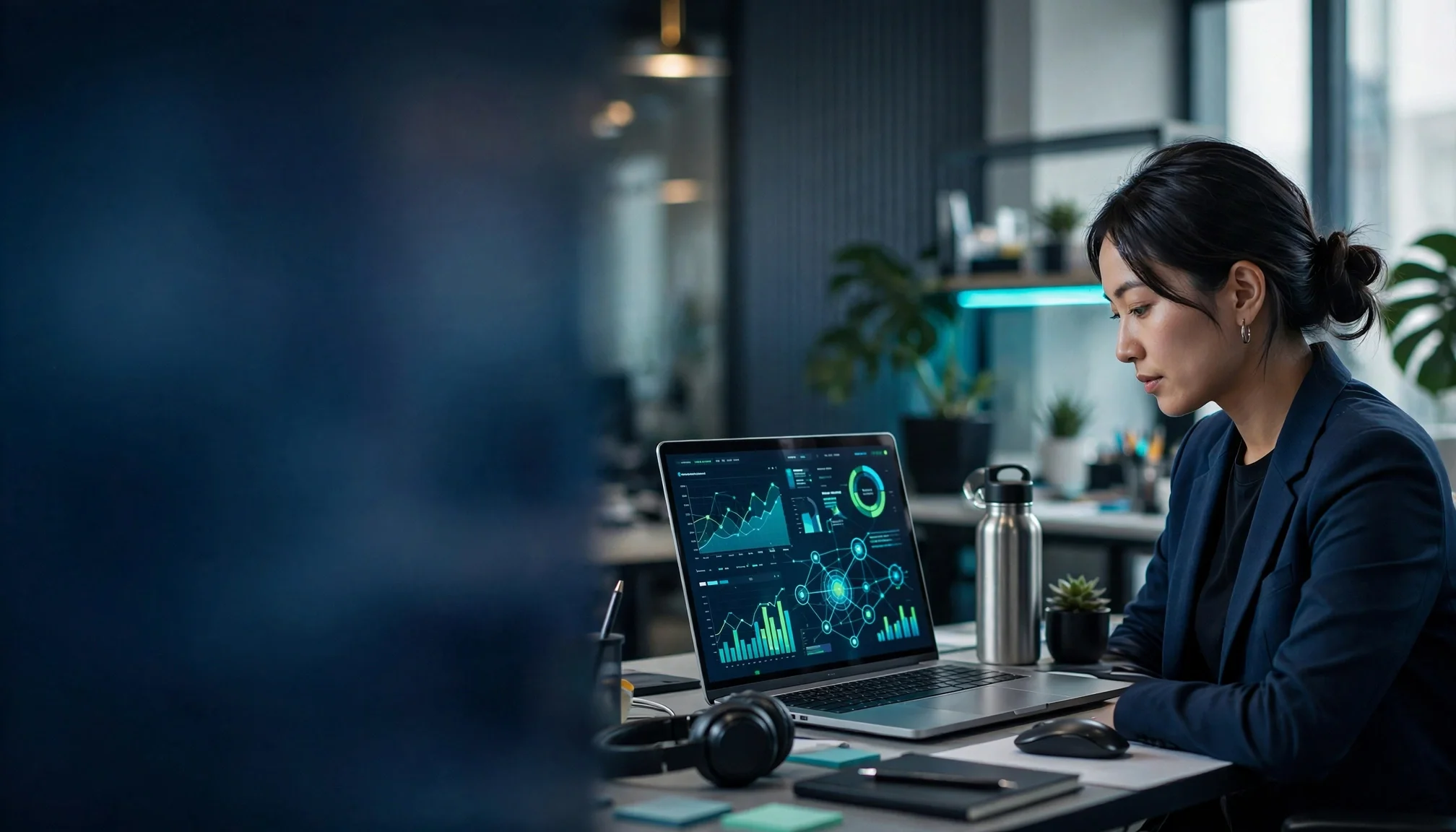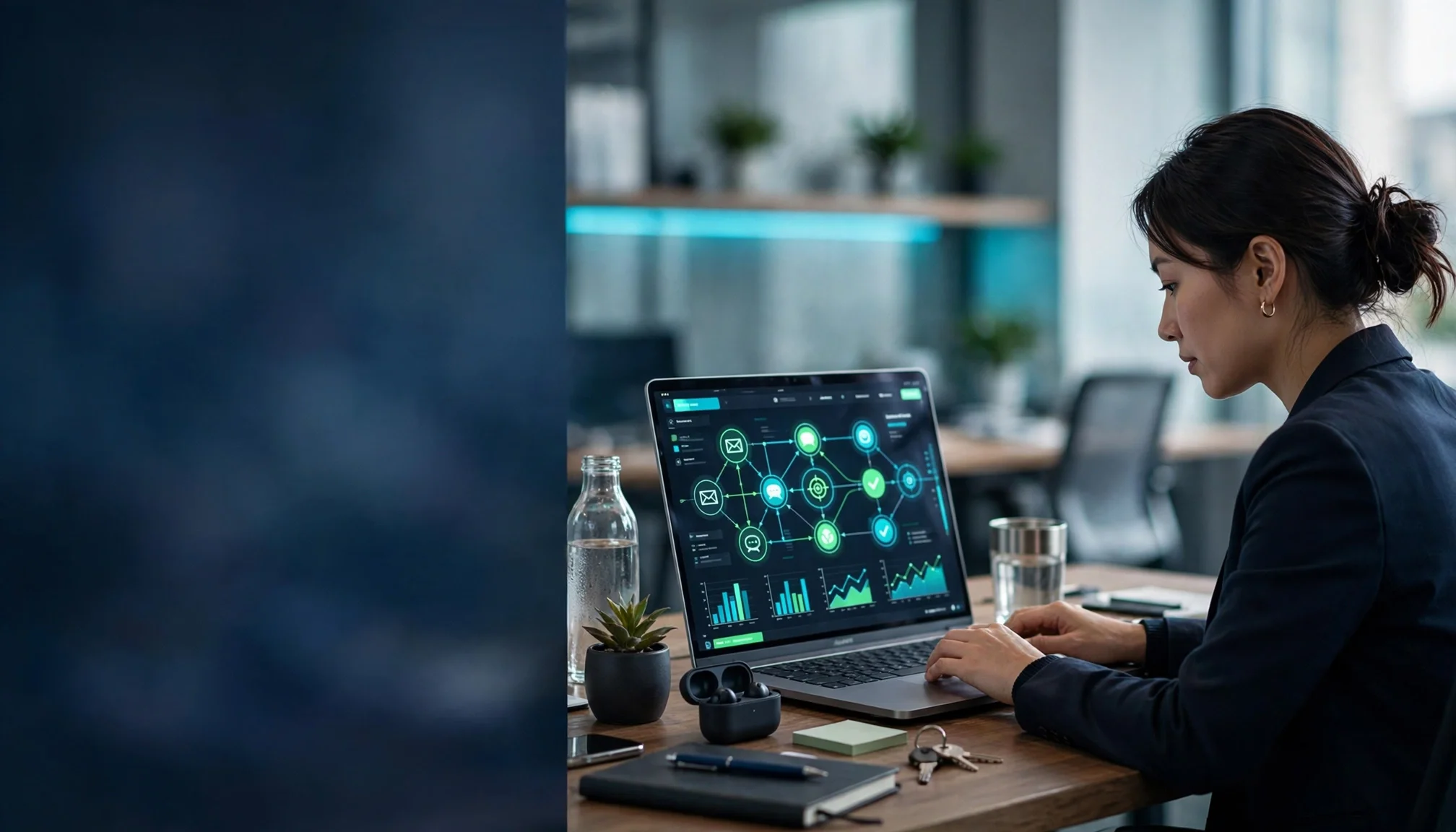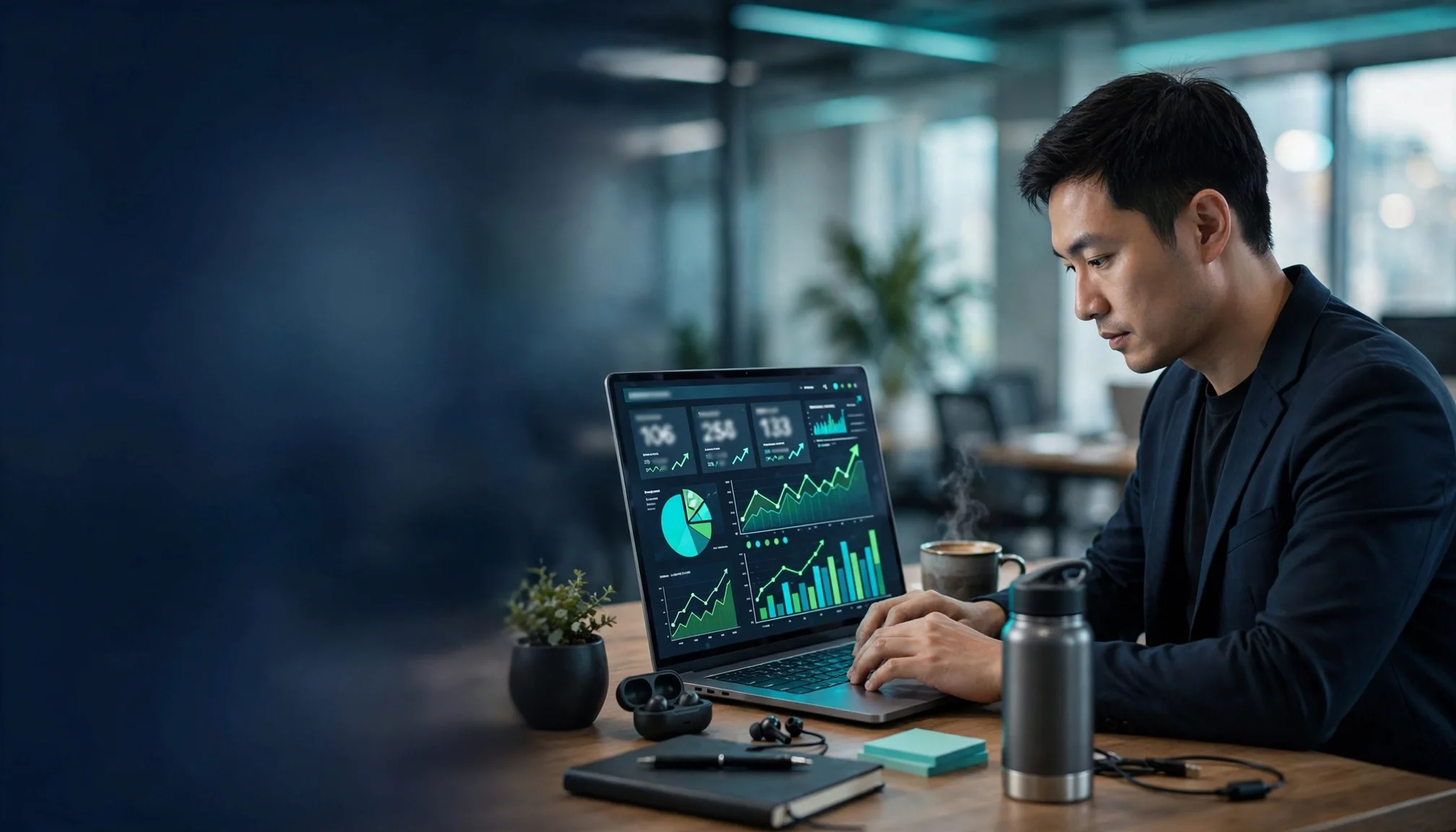
Advertisers running Performance Max campaigns often make one of two mistakes. They either avoid the campaign type entirely, missing genuine reach across Google's full inventory, or they launch it with minimal input and expect strong results automatically. DigiGrowvity has managed Performance Max campaigns for businesses across India. Seven consistent practices explain where this campaign type genuinely outperforms manual campaigns, and where advertiser input still matters enormously.
This article breaks down exactly how Performance Max delivers results in practice. It focuses on specific, testable practices rather than vague promises about full automation.
The Seven Ways to Improve Performance Max Results, at a Glance
| Practice | Why It Matters |
|---|---|
| Strong, varied creative assets | The AI needs genuine options to test and optimize |
| Clear audience signals | Starting points that speed up early learning |
| Conversion tracking accuracy | The AI optimizes toward whatever it can measure |
| Asset group organization | Grouping by theme rather than one giant catch-all |
| Negative keyword and brand controls | Preventing wasted spend on irrelevant searches |
| Patience through the learning phase | Avoiding premature changes during early optimization |
| Regular asset refreshes | Keeping creative from fatiguing over time |
Practice 1: Providing Strong, Varied Creative Assets
Performance Max depends heavily on the creative assets an advertiser provides, since the system tests combinations of images, headlines, and video across every placement automatically. A campaign with only a few generic assets gives the AI little to actually optimize toward.
Advertisers seeing the strongest results upload multiple headline variations, several images, and at least one video asset, giving the system genuine room to find winning combinations.
Practice 2: Setting Clear Audience Signals
Performance Max uses audience signals as a starting point, not a strict targeting rule, but these signals still meaningfully speed up the early learning phase. Feeding the system your best existing customer lists or relevant interest categories helps it find similar audiences faster.
Advertisers who skip this step force the system to learn from scratch, typically producing slower, less efficient results in the first few weeks.
Practice 3: Ensuring Accurate Conversion Tracking
Performance Max optimizes entirely toward whatever conversions it can measure, which makes tracking accuracy absolutely critical. A campaign tracking the wrong conversion action, or missing conversions entirely, will optimize toward the wrong outcome without any warning.
Verifying conversion tracking before launch, and periodically afterward, protects the entire campaign from optimizing toward a flawed signal.
Practice 4: Organizing Asset Groups by Theme
Performance Max performs better when asset groups get organized around a specific theme, product line, or audience, rather than combining everything into one undifferentiated group. This organization helps the system learn more precisely what messaging works for what audience.
Advertisers running multiple asset groups by theme typically see more efficient spend than those running a single, overly broad group.
Practice 5: Applying Negative Keyword and Brand Controls
Performance Max has historically offered less granular control than manual search campaigns, though Google has expanded negative keyword options over time. Using these controls prevents wasted spend on clearly irrelevant searches or unwanted brand terms.
Advertisers should review search term reports where available and apply negative keywords consistently, rather than assuming the AI will avoid every irrelevant match on its own.
Practice 6: Staying Patient Through the Learning Phase
Performance Max needs a learning period, typically several weeks, before results stabilize. Making frequent changes during this window resets the learning process and delays genuinely optimized results.
Advertisers who resist the urge to tweak daily during this early phase consistently see better long-term performance than those who intervene too often too soon.
Practice 7: Refreshing Assets Regularly
Performance Max campaigns can experience creative fatigue over time, just like any other ad format, as the same audience sees the same assets repeatedly. Refreshing images, headlines, and video periodically keeps performance from gradually declining.
Advertisers who treat asset refreshes as a quarterly habit maintain stronger results than those who launch a campaign once and never revisit its creative.
Why These Seven Practices Work Together
None of these seven practices deliver their full value alone. Strong creative means little without accurate conversion tracking telling the system what actually worked. Clear audience signals mean little without patience letting the learning phase actually complete. Asset refreshes work best when organized within well-structured asset groups from the start.
Advertisers combining all seven practices consistently see stronger, more efficient results than those focusing on just one or two in isolation.
What Fast-Growing Businesses Do Differently
Businesses seeing genuine growth from Performance Max review asset-level performance data monthly, identifying which creative combinations actually drive conversions. Our article on what fast-growing restaurants do differently covers this same disciplined review habit, applicable to any paid advertising strategy.
Businesses launching Performance Max and never revisiting it typically see performance plateau or decline as creative fatigues and market conditions shift.
A Realistic 90-Day Timeline
Weeks one through three typically involve setting up asset groups, verifying conversion tracking, and launching with strong, varied creative. Weeks four through eight require patience through the learning phase, resisting the urge to make frequent changes.
Weeks nine through twelve introduce a structured review of asset performance and initial optimization based on real data. This sequencing produces steadier results than constant early tinkering.
Common Mistakes That Slow Down Results
Many advertisers launch Performance Max with minimal creative assets, expecting the AI to perform well regardless. Performance Max works far less effectively when starved of genuine creative variety to test.
Another common mistake involves broken or inaccurate conversion tracking, which sends the system optimizing toward the wrong signal entirely. Some advertisers also make frequent changes during the learning phase, resetting progress repeatedly without realizing it.
How to Measure What Is Actually Working
Track conversion rate, cost per conversion, and asset-level performance monthly. These numbers reveal exactly which creative and audience signals genuinely drive results. Comparing performance against a manual campaign baseline, where one exists, keeps this measurement honest.
Performance Max should show measurable efficiency gains within a few months of proper setup. A campaign showing no improvement likely has an underlying tracking or creative issue.
A Short Example From Practice
One business DigiGrowvity worked with had launched Performance Max with only two generic images and no video, seeing weak results for months. After adding varied creative, verifying conversion tracking, and organizing asset groups by product line, cost per conversion improved considerably within a single quarter.
This improvement came from proper setup, not from any change to the underlying product. Performance Max works best when advertisers actively invest in the inputs the system depends on.
Preparing Teams Before Wider Adoption
A marketing team needs training before running Performance Max at scale across several campaigns. Untrained staff risk making changes during the learning phase or neglecting conversion tracking accuracy. A clear setup checklist should exist before launching any new campaign.
Skipping this preparation undermines even a genuinely promising campaign. Good early results can turn poor once untrained staff start making impulsive changes.
Choosing the Right Campaigns for Performance Max
Not every advertising goal suits Performance Max equally well. It works most efficiently for businesses with clear conversion goals and enough creative assets to give the system genuine variety to test.
A business with strong existing creative and clean tracking sees fast results. A business without either often struggles regardless of how the campaign gets configured.
Documenting What Works for Future Reference
Record which creative themes, audience signals, and asset groups produced genuinely strong results. This documentation matters as staff change roles over time. A simple shared reference, updated quarterly, becomes increasingly valuable.
This record helps a team avoid repeating creative approaches that already underperformed. It also helps new team members understand what has already worked for this specific business.
Setting Milestones Within Each Quarter
Set interim milestones rather than waiting until quarter's end to check progress. Complete setup and launch by week three. Maintain patience through week eight. Review performance and refresh assets by week twelve.
These checkpoints make it easier to notice a setup issue early, rather than discovering a broken conversion tracker only after weeks of wasted spend.
Building an Internal Playbook
Someone should own Performance Max setup and monitoring directly. A simple playbook listing asset group structure, conversion tracking checks, and refresh schedules keeps quality steady even as staff change.
This playbook should note which specific creative themes and audience signals have worked best for this particular business. The ideal setup genuinely varies by industry and goal.
Common Questions From Business Owners
Owners often ask whether Performance Max replaces manual search campaigns entirely. The honest answer is that many advertisers run both together, since Performance Max reaches broader inventory while manual search campaigns retain more granular keyword control.
Performance Max works best when advertisers understand its actual strengths, broad reach and creative testing at scale, rather than expecting it to replicate manual campaign precision exactly.
Coordinating Performance Max With Broader Marketing Efforts
Performance Max should connect to the same conversion tracking and creative library a business already uses elsewhere, not run as an isolated experiment. Strong photography from other channels can feed directly into Performance Max asset groups.
Someone should oversee this coordination directly. Without ownership, Performance Max campaigns can drift away from a business's broader creative and tracking standards.
Handling Rapid Changes in Performance Max Features
Google updates Performance Max features regularly, adding new controls and reporting options over time. A limitation from six months ago may no longer apply today. Advertisers should revisit their setup every few months rather than assuming today's features are fixed.
This periodic reassessment often reveals new controls that were not available when a campaign first launched.
Scaling This Approach as a Business Grows
What works for one Performance Max campaign needs adjustment as a business runs several across different product lines or locations. A shared setup checklist and asset library still apply broadly. Someone dedicated to coordinating campaigns across the whole account becomes necessary at a certain size.
Plan for this scaling early. Waiting until inconsistent setup becomes visible across several campaigns causes real disruption later. This evolution continues as Performance Max itself keeps advancing every quarter.
A business that documents its approach early saves considerable confusion later. New team members need to understand which setup standards apply, without relying on scattered, informal knowledge passed down inconsistently over time.
A Final Word Before You Begin
Performance Max rewards advertisers who treat it as a partnership with the AI, providing strong creative, accurate tracking, and patience, rather than a fully hands-off campaign type. The seven practices in this article, applied together, build a genuinely effective foundation for Google Ads results.
How This Fits Into Broader Digital Marketing
Performance Max connects to a business's broader paid advertising strategy, working alongside search, social, and other channels. Our best AI marketing tools guide covers where AI-driven advertising fits alongside other AI categories a business might adopt.
Digital marketing efforts reinforce each other this way. They rarely function well as isolated, disconnected tactics running without any coordination.
Measuring Return on Investment
Performance Max costs follow standard Google Ads bidding, which makes tracking actual return straightforward once conversion tracking is accurate. Compare cost per conversion against your actual customer value over several months.
This ROI becomes clearer over time, since a well-optimized campaign keeps improving efficiency as the system accumulates more data and learns which combinations work.
Working With an Agency Versus Managing It In-House
Some businesses manage Performance Max internally using existing staff. This works fine for a business with strong existing Google Ads experience. Larger organizations often benefit more from an agency that has already refined setup and optimization across many different accounts.
An agency familiar with Performance Max can identify genuinely effective setups faster than internal staff learning the campaign type from scratch.
Getting Started This Month
Gather your strongest creative assets this week. Verify your conversion tracking accuracy. Launch with well-organized asset groups before making any early changes.
Review performance honestly after the learning phase completes. Performance Max proves its value through measurable efficiency, not through launching quickly alone.
Combining Performance Max With Local Search Strategy
Performance Max works best when it connects to a business's broader local visibility, not just paid clicks in isolation. Our Google Business Profile guide covers how strong local listings reinforce paid campaigns, even for businesses well beyond restaurants specifically.
A patron who clicks a Performance Max ad, then checks a business's Google Business Profile before visiting, forms an impression from both touchpoints together. A strong, complete profile reinforces the trust an ad alone cannot fully build. Businesses that neglect this local presence often see weaker conversion rates from Performance Max than the ad spend alone would suggest, since interested clickers who then find an incomplete or outdated profile lose confidence before actually converting.
Coordinating these two efforts, paid reach through Performance Max and organic trust through a strong local profile, produces considerably stronger results than either effort running in isolation.
Frequently Asked Questions
How long does the Performance Max learning phase actually take? Typically two to six weeks, depending on budget and conversion volume. Higher-volume campaigns generally exit the learning phase faster than low-volume ones.
Does Performance Max work well for small budgets? It can, though the learning phase takes longer with lower conversion volume. Patience matters even more for smaller budgets during the initial weeks.
What is the single biggest mistake advertisers make with Performance Max? Launching with minimal creative assets and inaccurate conversion tracking, then expecting strong results automatically. Both inputs directly determine campaign quality.
How does digigrowvity help businesses improve their Performance Max results? DigiGrowvity sets up well-organized asset groups, verifies conversion tracking accuracy, and manages the patience and refresh cycles that keep these campaigns performing well over time.
Key Takeaways
- Performance Max needs strong, varied creative assets to actually optimize toward anything useful
- Accurate conversion tracking determines what the entire campaign optimizes toward
- Patience through the learning phase produces better results than frequent early changes
- Asset groups organized by theme outperform one broad, undifferentiated group
- Regular creative refreshes prevent the gradual decline caused by audience fatigue
Summary
Performance Max works most effectively when the seven practices covered here get applied together, treating the campaign type as a partnership requiring genuine advertiser input.
Conclusion
Performance Max rewards advertisers who actively invest in strong creative, accurate tracking, and patience, rather than expecting a fully automated result. Businesses that follow these seven practices see steadier, more efficient results than those launching with minimal setup and no follow-up.
Our team at DigiGrowvity has managed Performance Max campaigns for businesses across India. Contact us to discuss how these seven practices could apply to your specific advertising goals, or explore our best AI marketing tools guide for a broader look at AI-driven advertising options.
References
- World Health Organization
- Wikipedia: Google Ads
- Google Business Profile Help
- Ministry of Electronics and Information Technology guidance on AI adoption in India