Why Social Media Marketing Strategy is Essential for Every Business?
Social Media Marketing Strategy : Social media platforms collectively reach billions of users worldwide, with India alone contributing over 500 million social media users. These platforms have evolved from personal communication tools into powerful business channels where brands build awareness, engage communities, generate leads, and drive sales. Social media marketing is essential because it provides direct access to your target audience, builds brand personality and trust through authentic engagement, enables precise advertising targeting, and creates communities of loyal advocates who amplify your message organically.
In 2025, social media marketing strategy is not a standalone activity, it integrates with SEO (social signals and content distribution), content marketing (social is a primary distribution channel), customer service (messaging and comments), and paid advertising (social ad platforms). A strategic social media presence strengthens every other digital marketing channel.
Choosing the Right Social Media Platforms
Not every platform is right for every business. Platform selection should be driven by where your target audience spends time and which platforms align with your content capabilities and business model.
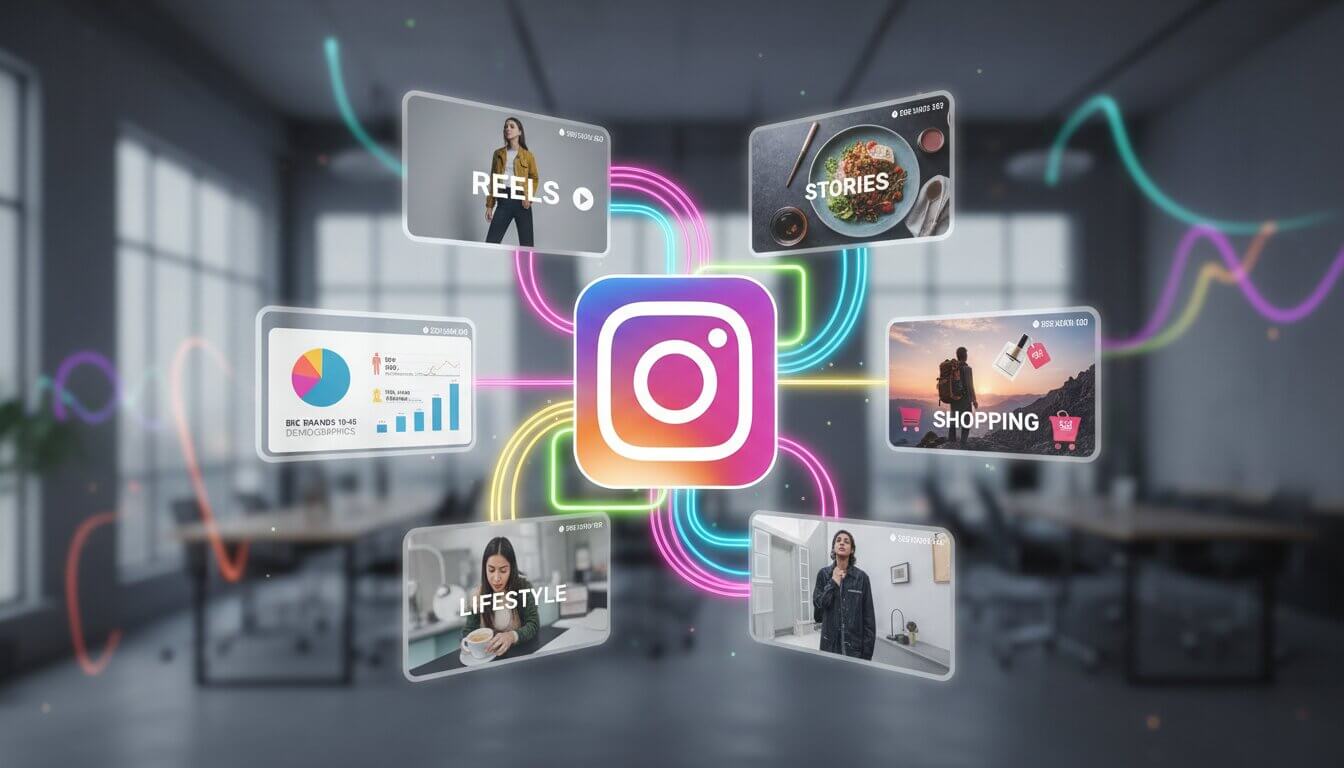
Best for visual brands — fashion, food, beauty, lifestyle, travel. Reels drive discovery, Stories build engagement, and Shopping enables direct sales. Essential for B2C brands targeting 18-45 demographics.
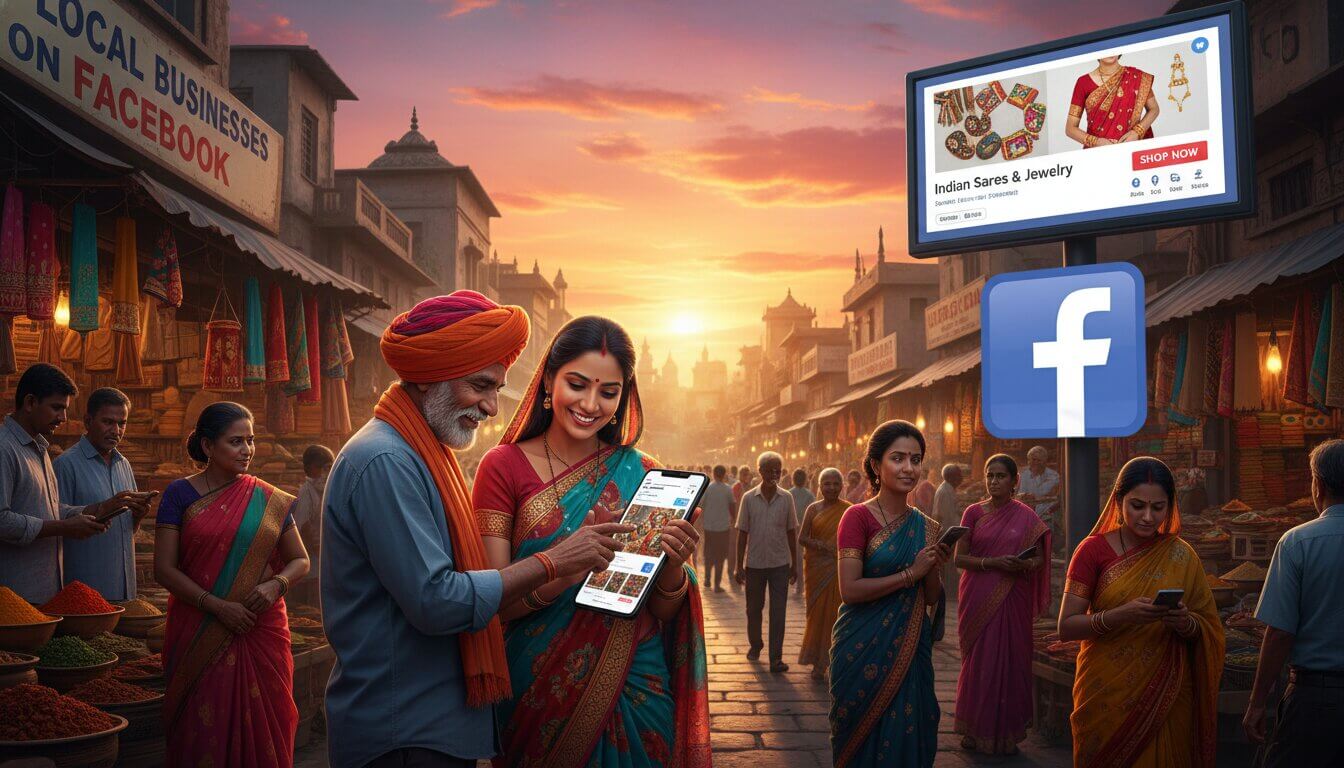
Broadest demographic reach in India. Strong for community building through Groups, local business marketing, and paid advertising with detailed targeting. Remains the most effective platform for reaching older demographics.
The dominant B2B platform. Essential for professional services, SaaS, consulting, and recruitment. Organic content reaches decision-makers. Advertising targets by job title and company.
YouTube
The second-largest search engine. Essential for educational, tutorial, and product demonstration content. Videos rank in Google search. Long content lifespan provides compounding returns.
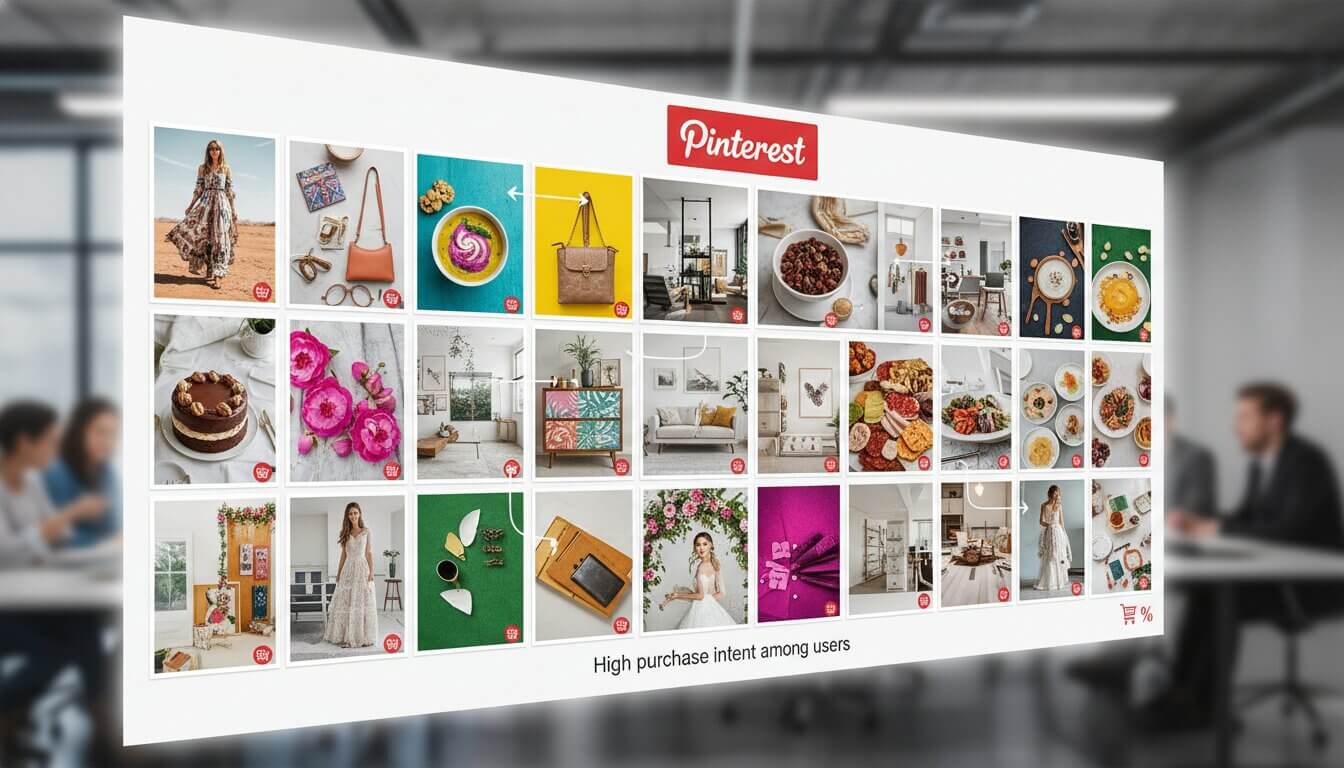
Visual discovery platform ideal for fashion, home decor, food, DIY, and wedding industries. Pins drive long-term traffic. High purchase intent among users.
Creating a Social Media Content Strategy
A social media content strategy defines what you post, when you post, and why. Start by identifying content pillars — three to five core themes that align with your brand and audience interests. For example, a digital marketing agency might use pillars like: Marketing Tips, Industry Insights, Behind the Scenes, Client Results, and Team Culture.
Each pillar should support business objectives. Educational content builds authority and drives website traffic. Behind-the-scenes content humanises your brand. Client results build trust. Promotional content drives direct action. The mix should be approximately 80% value-driven and 20% promotional to maintain audience engagement without feeling overly sales-focused.
Content formats should be platform-native. Instagram Reels and Stories, LinkedIn carousels and text posts, YouTube videos and Shorts, and Facebook Groups and live video each have unique engagement patterns. Repurpose core content across platforms while adapting format and tone for each platform’s audience expectations.
Social Media Advertising: Paid Strategies That Convert
Organic social media reach has declined significantly across platforms, making paid advertising essential for business growth. Social ad platforms offer targeting capabilities that traditional advertising cannot match. Meta Ads (Facebook and Instagram) provide interest, behaviour, and lookalike targeting. LinkedIn offers job title, company size, and industry targeting. YouTube enables keyword, topic, and audience targeting for video ads.
Effective social advertising follows the full funnel: awareness campaigns build brand recognition among broad audiences, consideration campaigns retarget engaged users with deeper content, and conversion campaigns drive specific actions (purchases, signups, enquiries) among warm audiences. Budget allocation should follow the funnel — most spend on awareness with decreasing allocation through consideration and conversion as audiences narrow.
Measuring Social Media ROI
Social media measurement goes beyond vanity metrics. While follower count and likes provide surface-level indicators, business impact requires tracking engagement rate (interactions relative to reach), website traffic from social channels, lead generation and conversion attribution, audience growth rate, and share of voice compared to competitors.
Use UTM parameters on all links shared on social media to track traffic and conversions in Google Analytics. Social advertising platforms provide detailed performance data including cost per click, cost per lead, and return on ad spend. Monthly reporting should connect social media activities to business KPIs, demonstrating how social media investment contributes to revenue goals.
Social Media Trends to Watch in 2026
The digital marketing landscape evolves rapidly. Understanding emerging trends helps businesses stay ahead of competitors and capitalise on new opportunities before they become mainstream.
Short-Form Video Dominance
Reels, Shorts, and TikTok continue generating the highest engagement and organic reach across all platforms.
In-app shopping on Instagram, Facebook, and Pinterest reduces friction between discovery and purchase.
AI tools for caption writing, image generation, and video editing accelerate content production but require human oversight for brand consistency.
Community-First Strategies
Brands investing in communities (Facebook Groups, Discord, WhatsApp) build deeper loyalty than broadcast-only approaches.
Collaborating with creators and micro-influencers provides authentic content and audience access at scale.
Commonly asked questions
By offering concise and informative responses, this section helps users find solutions without the need to contact customer support, saving time
Posting frequency depends on the platform and your content capacity. Instagram: 3-5 feed posts per week plus daily Stories. LinkedIn: 3-5 posts per week. Facebook: 3-5 posts per week. YouTube: 1-2 videos per week. Consistency matters more than frequency — posting three quality pieces weekly is better than seven mediocre ones.
LinkedIn is the dominant B2B platform, offering precise targeting by job title, company, and industry. However, YouTube is increasingly important for B2B educational content, and Twitter/X remains relevant for technology and startup audiences. Many successful B2B strategies combine LinkedIn for lead generation with YouTube for thought leadership content.
Social media ROI is calculated by tracking revenue generated from social channels (through UTM tracking and conversion attribution) against total social media investment (agency fees, ad spend, content production costs, tool subscriptions). For brand awareness objectives, track metrics like reach, brand mention volume, and share of voice growth over time.
The decision depends on your volume, complexity, and budget. An in-house social media manager provides deep brand knowledge and fast response times. An agency provides strategic expertise, creative diversity, and scalability. Many businesses use a hybrid model — in-house for community management and day-to-day engagement, with agency support for strategy, advertising, and content production.
Get Your Free Social Media Audit
Ready to build a social media strategy that drives business results? Get a free social media audit and growth roadmap.
Stay ahead with AI insights
Our team brings together deep expertise in AI, design, and technology to build tools that empower your creativity and productivity.