Why Google Reviews Are Essential for Business Growth?
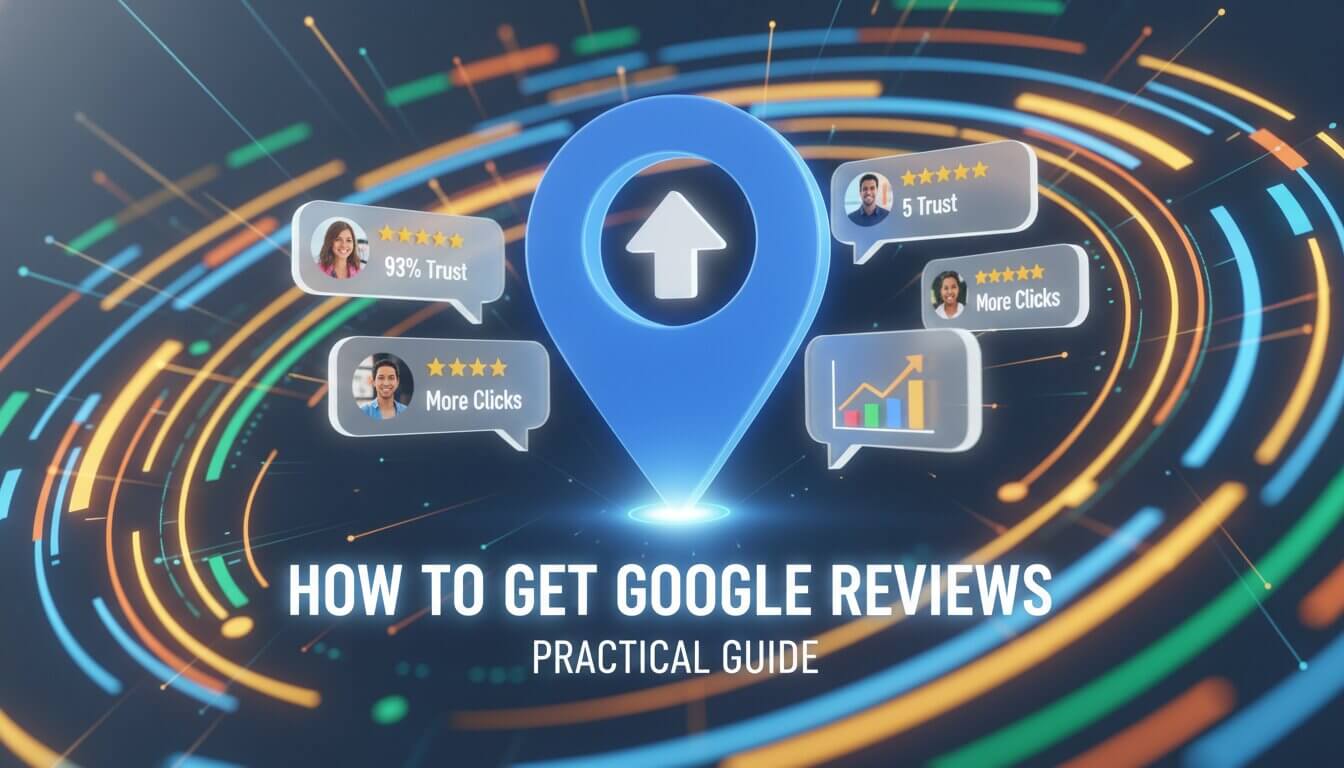
Google reviews directly impact three critical business outcomes: local search rankings (reviews are a top 3 ranking factor), consumer trust (93% of consumers read online reviews before purchasing), and conversion rates (businesses with 4.5+ stars receive 28% more clicks than those with lower ratings). A strong review profile is not optional, it is a competitive necessity for any business that serves local customers.
The Psychology of Asking for Reviews
Most satisfied customers never leave reviews — not because they are unhappy, but because they simply do not think about it. The key is making the review process as easy as possible and asking at the right moment. Research shows that customers are most likely to leave reviews when asked within 24 hours of a positive experience, when the process requires minimal effort (one click to the review form), and when they feel their feedback is genuinely valued.
Strategy 1: Create a Direct Review Link
Generate a direct link to your Google review form that takes customers straight to the review writing interface — no navigation required. In Google Business Profile, go to the ‘Ask for reviews’ section to copy your direct review link. Shorten it using a URL shortener or create a branded redirect (e.g., yourbusiness.com/review). This single link powers all your review generation efforts.
Strategy 2: In-Person Review Requests
The most effective review requests happen face-to-face. Train your team to ask for reviews after positive customer interactions: ‘We are so glad you had a great experience. Would you mind sharing it in a quick Google review? It helps other customers find us.’ Provide a QR code on business cards, receipts, table tents, or signage that links directly to your review form. In-person requests convert 70% of the time when the customer just had a positive experience.
Strategy 3: Post-Service Email and SMS Requests
Send an automated review request email or SMS 2-24 hours after service completion. Keep the message brief: thank them for their business, ask if they were satisfied, and provide a direct link to leave a review. One follow-up reminder 3-5 days later is acceptable — more than that becomes annoying. Email review requests convert at 5-15%, while SMS requests convert at 10-25% due to higher open rates.
Strategy 4: Make Reviews Part of Your Process
Integrate review requests into your standard business processes: add review links to email signatures, invoice footers, thank-you pages, order confirmation emails, and post-service follow-ups. Create review request cards with QR codes that staff hand to satisfied customers. The businesses that generate the most reviews are those that make asking a habitual part of every positive customer interaction.
Responding to Reviews: The Complete Approach
01
Responding to Positive Reviews
Thank the reviewer by name, reference something specific about their experience, and invite them back. Personalised responses show potential customers that you value feedback. Include relevant keywords naturally in your response — Google indexes review responses, and they contribute to your local SEO signals.
02
Responding to Negative Reviews
Respond within 24 hours. Acknowledge the issue, apologise for their experience (even if you disagree), take the conversation offline by providing a direct contact method, and describe steps you are taking to prevent similar issues. Never argue publicly. A professional response to a negative review often impresses potential customers more than the negative review discourages them — it demonstrates accountability and customer care.
What Not to Do: Review Generation Mistakes
01
Never Buy Reviews
Fake reviews violate Google's policies and can result in your listing being suspended. Google's AI detection for fake reviews is increasingly sophisticated.
02
Never Offer Incentives
Offering discounts or gifts in exchange for reviews violates Google's guidelines. You can ask for reviews but cannot compensate for them.
03
Never Gate Reviews
Sending unhappy customers to a private feedback form while directing happy customers to Google is against guidelines and produces artificially inflated ratings.
04
Never Review Yourself
Self-reviews are easily detected and permanently damage your listing's credibility.
Commonly asked questions
By offering concise and informative responses, this section helps users find solutions without the need to contact customer support, saving time
Aim for at least 50 reviews to establish credibility. Businesses with 100+ reviews dominate the Local Pack in most markets. More importantly, maintain a steady flow of new reviews — Google values recency. Aim for 5-10 new reviews monthly.
You can flag reviews that violate Google's policies (spam, fake reviews, irrelevant content), but you cannot remove legitimate negative reviews. Focus on generating enough positive reviews that negative ones represent a small percentage. A perfect 5.0 rating actually seems less trustworthy than 4.5-4.8.
Reviews impact local SEO through quantity, quality (star rating), recency, and keyword content. Reviews are a top 3 local ranking factor. Businesses with more reviews, higher ratings, and recent reviews rank significantly higher in the Local Pack and Google Maps.

Get Build Your Review Strategy
Want a systematic Google review strategy that builds your reputation and rankings? Our reputation management team implements review generation systems that deliver results.
Stay ahead with AI insights
Our team brings together deep expertise in AI, design, and technology to build tools that empower your creativity and productivity.